
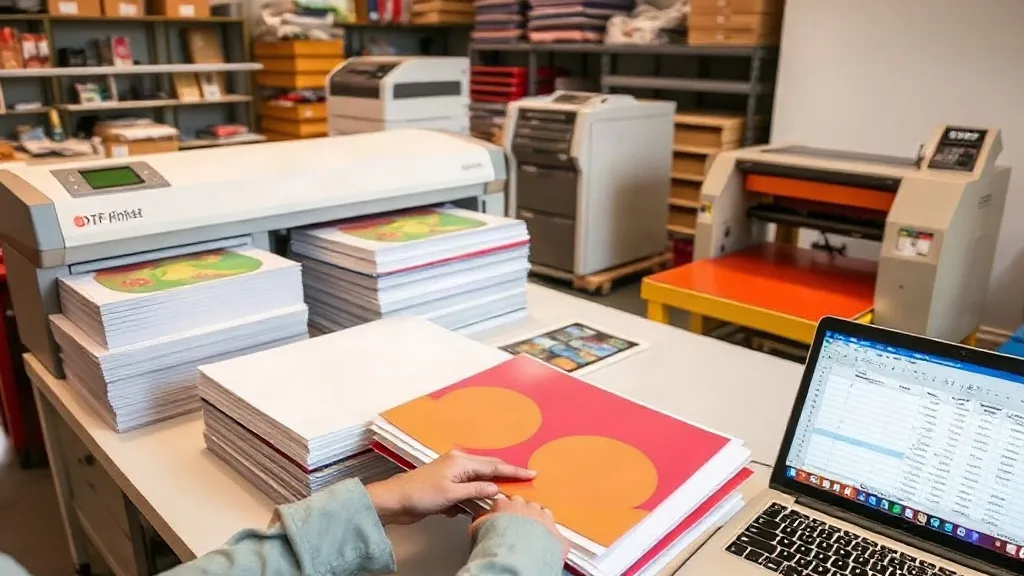
You've invested in a DTF printer, mastered the workflow, and your prints look sharp. But if your pricing still feels like a guessing game, you're not alone. Many print shop owners focus on the technical side of dtf transfers and treat pricing as an afterthought. That's a costly mistake. In this guide, we'll walk through a practical framework for pricing DTF transfers so you can protect your margins, stay competitive, and build a sustainable business.
Why DTF Pricing Deserves Your Attention
DTF transfers have exploded in popularity because they offer vibrant colors, fine detail, and compatibility with a wide range of fabrics. But the market is also getting crowded. If you price too low, you leave money on the table and risk burning out. If you price too high without justifying the value, customers may look elsewhere. The sweet spot lies in understanding your true costs and communicating the worth of your service.
The Hidden Costs of DTF Production
Before you set a price, you need to know exactly what each transfer costs you. Many shop owners only consider the obvious expenses: film, powder, and ink. But there's more:
- Materials: PET film, hot melt adhesive powder, and ink. Don't forget the cost of test prints and waste.
- Equipment: Depreciation on your printer, heat press, and any software. If you use a gangsheet builder, factor in its subscription or licensing fees.
- Labor: Time spent designing, preparing files, printing, powdering, curing, and pressing. Even if you do it yourself, your time has value.
- Overhead: Rent, utilities, internet, and other fixed costs. Allocate a portion to each transfer.
Once you have a handle on these numbers, you can calculate a baseline cost per transfer. This becomes the foundation for your pricing.
Two Core Pricing Models for DTF Transfers
There's no one-size-fits-all approach. The right model depends on your business goals, target market, and production capacity. Here are two common strategies:
Cost-Plus Pricing
This is the simplest method: calculate your total cost per transfer and add a markup percentage. For example, if your cost is $2.00 per transfer and you want a 50% margin, you'd price it at $4.00. Cost-plus ensures you cover expenses, but it doesn't account for what customers are willing to pay. It's a safe starting point, especially for new shops.
Value-Based Pricing
Here, you set prices based on the perceived value to the customer. A complex, multi-color design on a premium garment might command a higher price than a simple one-color logo. Value-based pricing requires understanding your customers' needs and positioning your service as a solution, not just a commodity. It often leads to higher margins but demands better marketing and communication.
How to Set Your DTF Transfer Prices
Follow these steps to build a pricing structure that works for your shop.
- Calculate your cost per transfer. Include materials, labor, equipment, and overhead. Don't forget to account for gangsheet efficiency—if you can fit more transfers on a sheet, your cost per transfer drops.
- Decide on your target margin. A common range is 40-60%, but it varies by market. Consider your volume and competition.
- Research competitors. Look at what other shops charge for similar dtf transfers. Don't just copy; understand their positioning.
- Choose a pricing model. Start with cost-plus if you're unsure, then experiment with value-based for premium jobs.
- Create a tiered price list. Offer discounts for bulk orders or repeat customers. For example, price per transfer might drop at 50, 100, and 500 units. This encourages larger orders and improves your production efficiency.
- Review and adjust regularly. Material costs fluctuate, and your business evolves. Revisit your prices quarterly.
Common Pricing Mistakes to Avoid
Even experienced shop owners fall into these traps. Watch out for:
- Underpricing to win jobs. Competing on price alone erodes margins and attracts bargain hunters who are likely to leave for the next cheap option.
- Ignoring your time. If you're not paying yourself, you're subsidizing your customers.
- Forgetting about waste. Miscuts, misprints, and test runs add up. Bake a waste factor into your cost calculation.
- Not charging for design work. If you offer design services, price them separately. Don't give away your creative time for free.
- Failing to communicate value. Customers will pay more if they understand why your transfers are better—faster turnaround, superior durability, or personalized service.
Using Gangsheets to Improve Your Pricing Leverage
Gangsheets are a game-changer for DTF economics. By arranging multiple designs on a single sheet, you maximize film usage and reduce waste. The more efficiently you fill a sheet, the lower your cost per transfer. This gives you room to either lower prices (if you're competing on cost) or maintain prices and enjoy higher margins. Invest in a good gangsheet builder tool and train your team to optimize layouts. You'll be surprised how much difference a few extra transfers per sheet can make.
Communicating Price Increases Without Losing Customers
When costs rise (and they will), you may need to adjust your prices. The key is transparency and timing. Give customers advance notice, explain the reason (e.g., increased material costs), and emphasize the value they receive. Offer a grace period for existing orders. Most customers appreciate honesty and will stick with you if they trust you.
Frequently Asked Questions About DTF Transfer Pricing
How much should I charge for a single DTF transfer?
There's no fixed price. It depends on your costs, market, and the design's complexity. A simple one-color transfer might range from $3 to $6, while a full-color intricate design could be $8 to $15. Calculate your costs first, then set a price that gives you a healthy margin.
Should I offer discounts for bulk orders?
Yes, bulk discounts are common and can help you secure larger orders. However, ensure that your discounted price still covers your costs and provides a reasonable profit. Tiered pricing (e.g., 10% off for 50+ transfers) is a good approach.
How do I find dtf transfers near me to compare prices?
Search online for local print shops or use directories. You can also join industry forums or social media groups where shop owners discuss pricing. Remember that prices vary by region, so focus on comparable businesses in your area.
What if a customer says my prices are too high?
Don't immediately lower your price. Instead, explain the value you provide: quality, durability, turnaround time, and customer service. If they still resist, consider offering a smaller order or a different design option that fits their budget. Sometimes, it's okay to walk away from a job that doesn't meet your margin requirements.
How often should I review my DTF transfer prices?
At least quarterly, or whenever your material costs change significantly. Regular reviews help you stay profitable and responsive to market shifts.
Pricing your dtf transfers strategically is not about squeezing every penny from customers; it's about building a sustainable business that rewards your skill and investment. By understanding your costs, choosing the right model, and communicating value, you'll be well on your way to healthier margins and happier customers.