
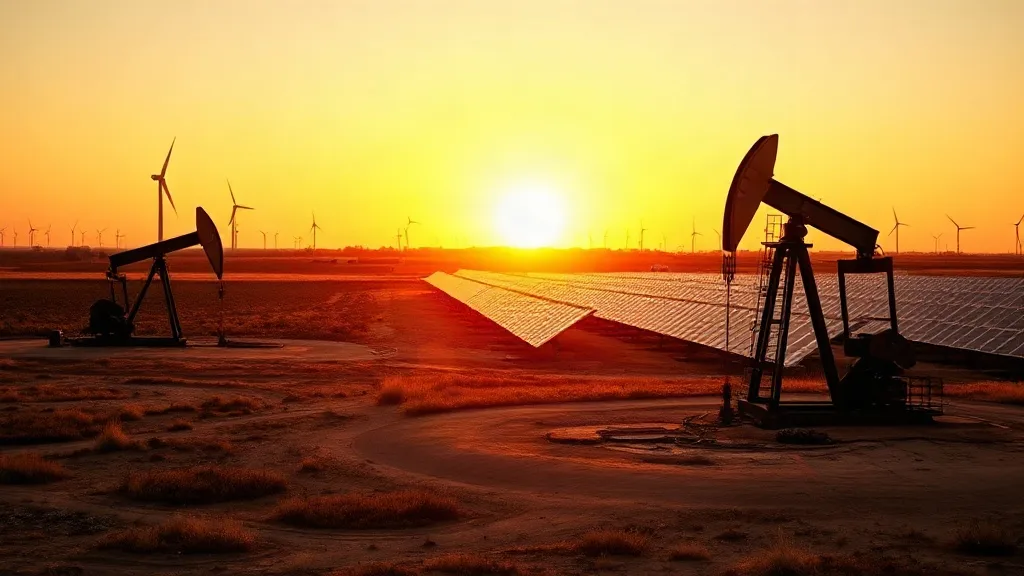
When people think of Texas, images of oil derricks and vast ranchlands often come to mind. But the Lone Star State is also quietly leading America's renewable energy revolution. Texas is not only the nation's top producer of crude oil and natural gas, but it also ranks first in wind power and utility-scale solar generation. This dual identity might seem paradoxical, but it's a reality that has emerged from a combination of abundant natural resources, a fiercely competitive energy market, and a can-do attitude.
The Numbers Behind the Paradox
According to the U.S. Energy Information Administration, Texas produced about 43% of the nation's crude oil in 2023 and 27% of its natural gas. Yet in the same year, Texas generated more wind electricity than any other state, accounting for roughly 28% of the nation's total wind generation. The state's solar capacity has also skyrocketed, with utility-scale solar generation growing by over 30% annually in recent years. If Texas were a country, it would rank among the top global producers of both fossil fuels and renewables.
How Did Texas Become a Renewable Powerhouse?
The seeds of Texas's renewable success were planted decades ago. In 1999, the state legislature passed a law that created a competitive retail electricity market and set a modest renewable portfolio standard. That standard required utilities to generate a certain amount of electricity from renewable sources, but it was the market structure that truly unleashed growth. Texas's grid, managed by the Electric Reliability Council of Texas (ERCOT), operates as an energy-only market where generators are paid for the electricity they produce, not for capacity. This design encourages low-cost producers, including wind and solar farms, to underbid fossil fuel plants.
Wind power took off first, especially in West Texas, where gusty conditions and open spaces provided ideal sites. As technology improved and costs fell, solar followed. The state's streamlined permitting process and lack of local opposition in many rural areas also sped up development. Today, Texas is home to some of the largest wind farms in the world, and solar farms are multiplying rapidly.
The Role of the Market-Based Grid
At the heart of Texas's renewable boom is its market-based grid. Unlike other regions that have capacity markets to ensure enough generation is available, ERCOT relies on price signals to balance supply and demand. When demand is high, prices spike, attracting investment in new generation. This has led to a surge in renewable projects because they can produce electricity at very low marginal costs. Wind and solar farms often bid into the market at near-zero prices, displacing more expensive fossil fuel generation during periods of high output.
However, this market design also presents challenges. The intermittent nature of renewables means that the grid must be flexible. Texas has invested in transmission lines to connect remote renewable-rich areas to population centers, and it is exploring energy storage and demand response to maintain reliability. The state's grid operator has also implemented new tools to manage the rapid growth of renewables.
Economic and Environmental Implications
The growth of renewables has brought significant economic benefits to Texas. The wind and solar industries have created tens of thousands of jobs, particularly in rural counties that had been losing population. Landowners earn lease payments for hosting turbines and panels, providing a steady income stream. Property taxes from renewable projects fund local schools and services. Moreover, the low cost of renewable energy has helped keep electricity prices in check for consumers.
On the environmental front, the shift to renewables has reduced emissions. In 2023, wind and solar generated about 30% of Texas's electricity, up from just 5% a decade earlier. This has cut air pollution and greenhouse gas emissions, although the state's overall emissions remain high due to its large industrial base. The transition also raises questions about the future of fossil fuel communities and the need for a just transition.
Challenges and the Road Ahead
Despite its success, Texas's renewable sector faces hurdles. Transmission constraints can curdle renewable output, and the grid's reliability during extreme weather events remains a concern. The state's response to Winter Storm Uri in 2021 highlighted vulnerabilities, though renewables were not the primary cause. Policymakers are debating how to integrate more storage and maintain incentives for investment. Additionally, some fossil fuel advocates push back against renewables, arguing they threaten the oil and gas industry that has long been the backbone of the Texas economy.
Yet the momentum seems unstoppable. The cost of wind and solar continues to fall, and corporations are signing long-term contracts for renewable power. Texas's competitive market is likely to keep attracting investment. As the state navigates the energy transition, it offers a fascinating case study of how a market-driven approach can yield unexpected outcomes.
Frequently Asked Questions
Is Texas really the largest producer of wind and solar in the U.S.?
Yes, Texas leads the nation in both wind and utility-scale solar generation. In 2023, it produced about 28% of U.S. wind power and a growing share of solar. Its installed capacity continues to expand rapidly.
How does Texas's grid support renewable energy?
ERCOT's energy-only market allows renewable generators to compete on price. Because wind and solar have low operating costs, they often outbid fossil fuel plants, especially when the wind blows and the sun shines. This market design has driven significant investment in renewables.
What are the main challenges for renewables in Texas?
Transmission bottlenecks, grid reliability during extreme weather, and policy uncertainty are key challenges. The state is investing in infrastructure and exploring storage solutions to address these issues.
Does renewable energy hurt the oil and gas industry in Texas?
Not necessarily. Texas's oil and gas industry remains robust, and many energy companies are diversifying into renewables. The state's economy benefits from both sectors, and the transition is creating new opportunities.
What does the future hold for Texas energy?
Texas is likely to continue its leadership in both fossil fuels and renewables. The market-based approach will probably drive further innovation and investment, while policymakers address reliability and equity concerns. The state's energy mix will keep evolving.