
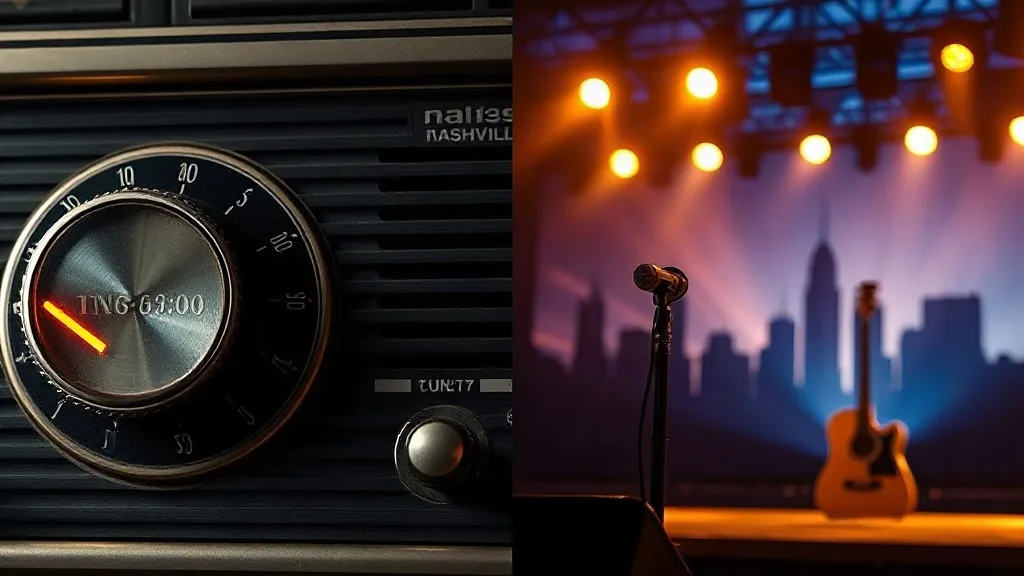
When news broke that Garth Brooks had acquired the frequency of Nashville's iconic indie station Lightning 100, the city's music community reacted with a mix of shock and curiosity. Lightning 100, long a champion of independent and emerging artists, will shift its programming to 106.3 FM and 102.5HD3, while Brooks plans to launch a new country-focused station on the acquired frequency. The move marks a significant shift in Nashville's radio landscape, raising questions about the future of independent radio and the growing influence of superstar brands in local media.
The End of an Era? Lightning 100's Legacy
For decades, Lightning 100 (WRLT) has been a staple of Nashville's airwaves, known for its eclectic mix of indie rock, alternative, and Americana. It has been a launchpad for local artists and a tastemaker for national acts, hosting events like Live on the Green and earning a reputation as a beacon of musical diversity in a city dominated by country music. The station's departure from its longtime frequency (typically 100.1 FM, though the exact frequency isn't specified in the source) signals a changing of the guard.
Lightning 100's move to 106.3 FM and 102.5HD3 ensures the station will continue to broadcast, but the shift to a smaller signal and an HD channel may limit its reach. For loyal listeners, the change is bittersweet: the station survives, but its prominence diminishes. The independent spirit that Lightning 100 embodied now faces a new chapter, one that will test its resilience in a consolidated media environment.
Garth Brooks: From Superstar to Radio Mogul
Garth Brooks is no stranger to breaking barriers. With over 170 million records sold, he is one of the best-selling solo artists in history. In recent years, Brooks has expanded his footprint beyond music, launching a SiriusXM channel (The Garth Channel) and venturing into other business endeavors. His purchase of a Nashville frequency is a logical next step: a platform to amplify country music, the genre he has dominated for three decades.
While details about the new station's format are scarce, Brooks's deep ties to Nashville and his commitment to country music suggest it will be a home for both established and rising country artists. The move also reflects a broader trend of artists taking control of distribution channels, from streaming to radio, to connect directly with fans.
What This Means for Nashville's Radio Landscape
Nashville's radio market is already crowded, with numerous country stations vying for listeners. Adding another country-focused station might seem redundant, but Brooks's star power could disrupt the status quo. His station could leverage his brand to attract top talent, exclusive content, and loyal fans. However, it also raises concerns about homogenization: will independent voices like Lightning 100 be squeezed out as big names dominate the dial?
The move also highlights the financial realities of radio. Frequencies are valuable assets, and independent stations often struggle to compete with deep-pocketed buyers. Lightning 100's shift to a smaller signal is a survival strategy, but it may come at the cost of visibility and influence. For listeners, the change means adjusting their dials and perhaps mourning the loss of a familiar frequency.
The Future of Independent Radio in Music Cities
Lightning 100's story is not unique. Across the country, independent radio stations face mounting pressures from consolidation, streaming, and changing listener habits. In music cities like Nashville, Austin, and Seattle, these stations serve as cultural hubs, connecting communities and nurturing local talent. Their survival often depends on listener support, creative programming, and strategic partnerships.
Lightning 100's move to 106.3 FM and 102.5HD3 could be a blueprint for others: leveraging HD radio and smaller signals to stay afloat while maintaining a niche audience. But it also underscores the need for alternative funding models, such as memberships and events, to sustain independent media.
Listener Reactions and Community Impact
Social media buzzed with reactions from Nashville residents and music fans. Some expressed frustration at the loss of a beloved station on its original frequency, while others vowed to follow Lightning 100 to its new home. Local artists who relied on the station for exposure worried about reduced reach. Yet, there is also optimism: Lightning 100's brand is strong, and its new frequencies might attract a different, more dedicated audience.
Community events like Live on the Green, which Lightning 100 founded, have become Nashville traditions. The station's ability to organize and promote such events may be unaffected by the frequency change, preserving its role as a cultural connector.
Frequently Asked Questions
What exactly did Garth Brooks buy?
Garth Brooks purchased the frequency rights of Lightning 100, not the station itself. Lightning 100 will continue to operate but will move its programming to 106.3 FM and 102.5HD3.
Why is Lightning 100 changing frequencies?
The station is relocating to smaller signals as part of the sale. This allows it to continue broadcasting while the original frequency is repurposed for Brooks's new country station.
Will Lightning 100's format change?
No, Lightning 100 plans to maintain its indie and alternative format on the new frequencies. The station's brand and programming are expected to remain intact.
What can listeners expect from Garth Brooks's new station?
While specifics are not yet announced, the station is expected to focus on country music, leveraging Brooks's influence and possibly featuring exclusive content.
How can I listen to Lightning 100 now?
Listeners can tune in to 106.3 FM or 102.5HD3 (HD radio required) to continue hearing Lightning 100. Streaming options are likely available via the station's website or app.