
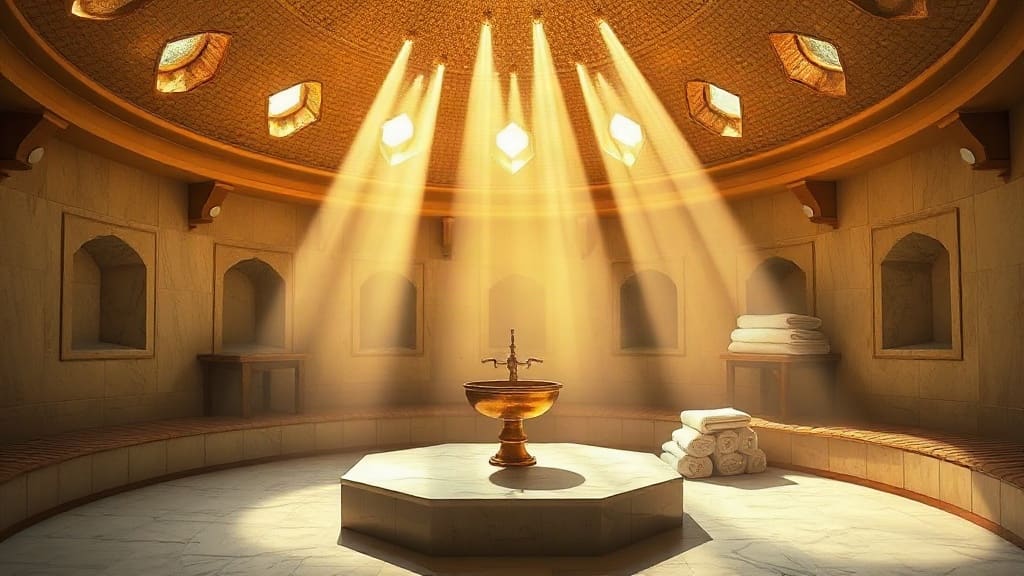
Stepping into a Turkish bath feels like entering a different world. The warm, humid air wraps around you, the soft echo of water dripping onto marble fills the space, and for a moment, the rush of modern life fades away. This centuries-old tradition, also known as a hammam, is more than just a way to get clean. It is a full sensory experience that combines deep relaxation, social connection, and a profound sense of renewal. Whether you are a seasoned traveler or simply curious about trying something new, understanding what a Turkish bath truly offers can open the door to one of the most restorative practices you will ever encounter.
For many people, the first question is practical: is there a turkish bath near me? While the answer depends on where you live, the growing popularity of wellness tourism has made authentic hammams accessible in cities around the world. Even if you cannot travel to Istanbul or Marrakech, you can often find a well-appointed Turkish bath in major metropolitan areas, luxury spas, or traditional bathhouses. In this guide, we will explore the rich history of the hammam, walk through what a typical session looks like, highlight the health benefits, and give you practical tips for finding and enjoying a Turkish bath experience wherever you are.
The Rich History of the Turkish Bath
The origins of the Turkish bath stretch back over a thousand years, rooted in the bathing traditions of the Roman and Byzantine empires. When the Ottoman Turks rose to prominence, they embraced and refined these practices, blending them with Islamic principles of cleanliness and ritual purification. The result was the hammam, a public bathhouse that became a cornerstone of social and communal life across the Middle East, North Africa, and parts of Europe.
In Ottoman society, the hammam was not merely a place to wash. It was a gathering spot where friends met, business deals were discussed, and major life events were celebrated. Brides were bathed before their weddings, mothers brought their newborns for a ceremonial first bath, and men gathered after Friday prayers. The architecture reflected this importance: grand domed ceilings with star-shaped skylights, heated marble platforms, and intricate tile work created an atmosphere of beauty and tranquility. Many of these historic hammams still operate today, offering visitors a direct link to the past.
Today, the Turkish bath has evolved into a wellness experience that appeals to people from all walks of life. While some traditional bathhouses remain, many modern spas have incorporated hammam rituals into their menus, often with a luxurious twist. This blend of ancient tradition and contemporary comfort makes the Turkish bath accessible to anyone seeking a deeper level of relaxation and self-care.
What Happens Inside a Turkish Bath?
If you have never visited a hammam, the idea of a public bath might seem intimidating. However, the experience is carefully structured and guided, making it easy for first-timers to feel comfortable. While every bathhouse has its own variations, most follow a similar sequence of rooms and treatments designed to cleanse both body and mind.
The Warm Room: Preparing Your Body
Your journey begins in the warm room, often called the sogukluk or the camekan. Here, the temperature is moderate, and you are given a pestemal, a thin cotton wrap, and a pair of wooden clogs. You change out of your clothes and wrap the pestemal around your body. This initial space allows your body to adjust to the heat before you enter the main bathing area.
You may spend ten to fifteen minutes in the warm room, relaxing on a bench or sipping water. This step is crucial because it opens your pores and prepares your muscles for the deeper heat to come. It also gives you a moment to slow down and leave the outside world behind.
The Hot Room: Heat and Steam
Next, you move into the hot room, or hararet. This is the heart of the Turkish bath, a large chamber heated by a continuous flow of warm air and often filled with gentle steam. The centerpiece is the gobek tasi, a large, heated marble platform where bathers lie down to sweat. The temperature here can range from 40 to 50 degrees Celsius, and the humidity is high, encouraging profuse sweating.
Lying on the warm marble, you can feel your muscles loosen and your mind quiet. The soft light filtering through the ceiling openings creates a dreamlike atmosphere. You are encouraged to stay here for as long as comfortable, allowing the heat to draw out impurities from your skin. Many people use this time for quiet meditation or simply to enjoy the sensation of deep warmth.
The Kese and Foam Massage
After you have sweated sufficiently, an attendant, known as a tellak for men or a natir for women, will guide you through the signature treatments of the hammam. The first is the kese, a vigorous full-body exfoliation using a coarse mitt. The attendant scrubs your skin in long, firm strokes, removing layers of dead skin cells that have been loosened by the heat. You may be surprised by the amount of skin that rolls off, but this is a sign that the process is working.
Following the scrub, you are rinsed with warm water, and then comes the foam massage. The attendant creates a mountain of rich, soapy lather in a large basin and pours it over your body. Using a soft cloth or their hands, they massage the foam into your skin with smooth, rhythmic movements. This part of the ritual is deeply relaxing, and many people drift into a state of near-sleep. The combination of heat, exfoliation, and massage leaves your skin feeling incredibly soft and your body completely at ease.
The Cooling Room: Rest and Rehydration
After the treatments, you are wrapped in fresh, dry towels and led to the cooling room, or sogukluk. Here, the temperature is lower, and you can rest on a comfortable lounger. It is essential to rehydrate at this point, so you will be offered water, tea, or a traditional sherbet. This period of rest allows your body temperature to return to normal and gives you time to savor the afterglow of the experience.
Many people describe this final stage as the most blissful. Your skin feels new, your mind is clear, and a profound sense of calm settles over you. It is a feeling that lingers long after you leave the bathhouse.
The Health Benefits of a Turkish Bath
Beyond the immediate pleasure, the Turkish bath offers a range of health benefits that have been recognized for centuries. Modern wellness enthusiasts continue to embrace the hammam for its ability to support both physical and mental well-being.
- Deep Cleansing and Exfoliation: The combination of steam and kese scrub removes dead skin cells more effectively than most at-home methods. This unclogs pores, prevents breakouts, and leaves the skin glowing.
- Improved Circulation: The heat causes blood vessels to dilate, increasing blood flow throughout the body. This delivers more oxygen and nutrients to tissues and helps remove metabolic waste.
- Muscle Relaxation and Pain Relief: The warmth and massage work together to ease muscle tension, reduce stiffness, and alleviate minor aches and pains. It is particularly beneficial after intense physical activity or long periods of sitting.
- Stress Reduction and Mental Clarity: The quiet, warm environment triggers the parasympathetic nervous system, promoting deep relaxation. Many people report reduced anxiety, better sleep, and a clearer mind after a hammam visit.
- Respiratory Support: The humid air can help open airways and loosen congestion, making it a soothing experience for those with mild respiratory issues or seasonal allergies.
- Detoxification: While the body's primary detoxification organs are the liver and kidneys, sweating does help eliminate certain toxins and heavy metals through the skin. The intense sweating in a hammam supports this natural process.
It is important to note that the Turkish bath is not a medical treatment, and individuals with certain health conditions, such as heart problems, high blood pressure, or pregnancy, should consult a doctor before visiting. However, for most people, it is a safe and highly beneficial practice when done in moderation.
How to Find an Authentic Turkish Bath Near You
If you are eager to experience the hammam for yourself, the next step is finding a reputable bathhouse. Searching for a turkish bath near me is a good start, but not all facilities labeled as Turkish baths offer an authentic experience. Here are some tips to help you choose the right one.
Look for Traditional Features
An authentic Turkish bath should have certain architectural and operational features. Look for a heated marble platform, a domed ceiling, and a sequence of warm and hot rooms. The presence of trained attendants who perform the kese and foam massage is also a strong indicator of authenticity. Many modern spas offer "hammam treatments" on a massage table, which can be lovely but is not the same as a full traditional bath.
Read Reviews and Ask Questions
Online reviews can be incredibly helpful when evaluating a bathhouse. Look for comments about cleanliness, the quality of the treatments, and the overall atmosphere. Do not hesitate to call the facility and ask about their process. A reputable establishment will be happy to explain what to expect, what to bring, and how long the experience lasts.
Consider the Setting
Some people prefer the historic charm of a centuries-old bathhouse, while others enjoy the polished luxury of a modern spa. Both can offer excellent experiences, so think about what kind of ambiance appeals to you. If you are traveling, seek out famous hammams in cities like Istanbul, Budapest, or Fez for a truly immersive cultural experience. Closer to home, many urban wellness centers now offer beautifully designed Turkish baths that rival their historic counterparts.
Prepare for Your Visit
Once you have chosen a bathhouse, a little preparation will ensure you get the most out of your visit. Most facilities provide everything you need, including the pestemal, slippers, and toiletries. However, you may want to bring a swimsuit if you prefer extra coverage, a change of clothes, and a water bottle. Arrive well-hydrated and avoid eating a heavy meal right before your session. Give yourself at least two hours so you never feel rushed.
Embracing the Ritual at Home
While nothing replaces the full hammam experience, you can incorporate elements of the Turkish bath into your own self-care routine at home. Start with a warm shower or bath to open your pores, then use a kese mitt to gently exfoliate your skin. Follow with a rich, moisturizing soap or body wash, and finish with a cool rinse and a generous application of lotion. Create a calm atmosphere with soft lighting and perhaps some gentle music. This weekly ritual can help you maintain soft skin and a sense of relaxation between visits to a professional hammam.
Frequently Asked Questions
What should I wear to a Turkish bath?
Most traditional Turkish baths provide a pestemal, a thin cotton wrap, for you to wear during the session. You can wear a swimsuit underneath if you prefer, but it is not required. You will also be given wooden clogs or sandals to wear. The key is to feel comfortable, so choose whatever makes you most at ease.
How long does a Turkish bath session last?
A typical session lasts between 60 and 90 minutes, depending on the facility and the treatments you choose. This includes time in the warm room, the hot room, the scrub and massage, and the cooling room. It is best to allow at least two hours total so you can fully relax without feeling rushed.
Is a Turkish bath suitable for everyone?
While many people can enjoy a Turkish bath, it may not be suitable for those with certain medical conditions, such as uncontrolled high blood pressure, heart disease, or skin infections. Pregnant women should also consult their doctor before visiting. If you have any concerns, speak with your healthcare provider first.
What is the difference between a Turkish bath and a sauna?
Both use heat, but they are quite different. A sauna uses dry heat, typically from a stove, and has low humidity. A Turkish bath uses moist heat and steam, with higher humidity. The Turkish bath also includes a full-body exfoliation and foam massage, which a sauna does not. Many people find the Turkish bath more gentle and social than a sauna.
How often should I go to a Turkish bath?
There is no set rule, but many people enjoy a Turkish bath once a month as a deep cleansing and relaxation ritual. Others go more frequently, especially if they live in a hot climate or have physically demanding jobs. Listen to your body and adjust the frequency based on how you feel. Overdoing it can strip your skin of natural oils, so moderation is key.
A Turkish bath is more than a spa treatment; it is a journey through history, a celebration of the senses, and a profound act of self-care. Whether you seek one out in a historic city or discover a turkish bath near me in your own neighborhood, the experience promises to leave you renewed in body and spirit. So go ahead, step into the warmth, and let the ancient ritual wash away the weight of the world.