
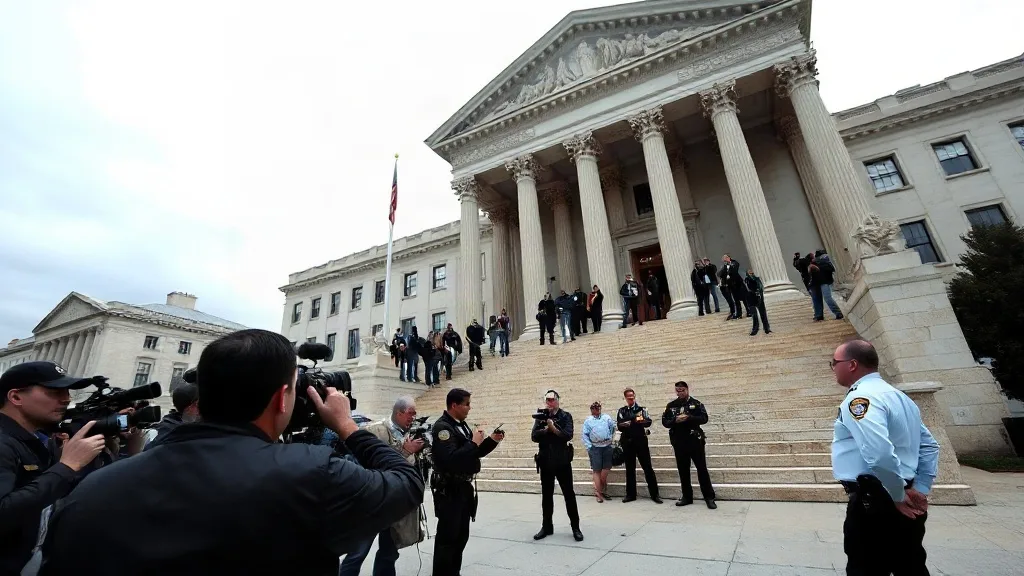
In a federal courtroom today, a judge will hear arguments over whether the Trump administration can legally bar journalists from CNN, Politico, and MS Now from covering the White House. The case, which has already produced a temporary restraining order, raises fundamental questions about press freedom, executive power, and the public's right to know. The hearing, scheduled for 11am ET, will determine whether the ban remains in place while the legal battle continues.
The dispute began when the White House revoked the hard passes of reporters from the three outlets, citing what it called "inaccurate reporting" and "bias." The administration's move marked an escalation in its long-running feud with the mainstream press, but it also triggered immediate legal challenges. A coalition of news organizations and individual journalists sued, arguing that the ban violates the First Amendment and the Due Process Clause. Last week, a federal judge issued a temporary restraining order, allowing the reporters to return to the White House briefing room pending today's hearing.
The Legal Battle Over White House Access
At the heart of the case is a simple but profound question: does the president have the authority to pick and choose which journalists can cover him? The White House argues that press access is a privilege, not a right, and that the president can set reasonable rules for who enters the grounds. The plaintiffs counter that the First Amendment prohibits the government from punishing or silencing journalists based on the content of their reporting. They point to decades of precedent holding that the government cannot use its power to retaliate against speech it dislikes.
Legal experts say the case could set a significant precedent. "The White House is not a public forum in the traditional sense, but it is a place where the public's business is conducted," said one constitutional law scholar. "If the president can exclude journalists based on viewpoint, that undermines the press's ability to hold the government accountable." The judge will likely weigh whether the ban constitutes a prior restraint on speech, which courts view with extreme skepticism.
Why This Case Matters Beyond the Beltway
For many Americans, the daily White House press briefing may seem like inside baseball. But the implications of this case stretch far beyond Washington. A free press is a cornerstone of democratic accountability. When the government can decide which reporters get access, it can effectively control the flow of information to the public. That affects everything from how voters evaluate policies to how communities respond to crises.
The three outlets targeted in this case represent a cross-section of the media landscape: CNN, a major cable news network; Politico, a political journalism powerhouse; and MS Now, a digital outlet known for its investigative reporting. Their exclusion sends a chilling message to newsrooms across the country. If the ban is upheld, other administrations could use similar tactics to punish unfavorable coverage. That is why the case has drawn support from a broad coalition of press freedom advocates, including the Committee to Protect Journalists and the Reporters Committee for Freedom of the Press.
Meanwhile, the White House has defended its actions as a matter of managing access to a limited space. Press Secretary Karoline Leavitt has said the administration wants to "open up" the briefing room to new voices, including podcasters and influencers. But critics note that the new voices tend to be friendly to the president, while the banned outlets are not. The disparity raises questions about whether the administration is genuinely interested in diversifying media access or simply in controlling the narrative.
What Happens Next in the Courtroom
Today's hearing is not a trial. It is a preliminary injunction hearing, where the judge will decide whether to extend the temporary restraining order while the case proceeds. To win a preliminary injunction, the plaintiffs must show that they are likely to succeed on the merits, that they will suffer irreparable harm without the injunction, and that the balance of equities favors them. Given the First Amendment stakes, many legal observers expect the judge to side with the journalists, at least at this stage.
But the administration is expected to argue that the president has broad discretion over who gets a hard pass, which grants access to the White House grounds without an escort. They may also argue that the plaintiffs have not exhausted other avenues for covering the White House, such as attending public events or relying on pool reports. The plaintiffs, however, say that being excluded from the briefing room and other official events amounts to a denial of access to the president's public activities, which is a core function of the press.
If the judge rules in favor of the journalists, the administration could appeal, potentially sending the case to the Supreme Court. That would thrust the issue of press freedom into the national spotlight during an already polarized political moment. If the judge rules for the administration, the ban would remain in place, and the three outlets would have to decide whether to continue their legal fight or find alternative ways to cover the White House.
Broader Implications for Press Freedom
This case is not happening in a vacuum. It is part of a broader pattern of the Trump administration testing the boundaries of executive power. From threatening to revoke broadcast licenses to suing media companies, the president has made no secret of his disdain for the press. But the courts have repeatedly pushed back, reaffirming that the First Amendment protects even speech that the government finds inconvenient.
The outcome of this hearing could embolden or deter similar actions in the future. A ruling for the journalists would reinforce the principle that the president cannot use access as a weapon. A ruling for the administration would give future presidents a powerful tool to silence critics. That is why this case is being watched closely by news organizations around the world, not just in Washington.
In the end, the question is not just about CNN, Politico, and MS Now. It is about whether the American public has the right to a free and independent press that can hold power accountable. As the hearing unfolds today, that principle hangs in the balance.
Frequently Asked Questions
What is the White House press ban about?
The Trump administration revoked the hard passes of journalists from CNN, Politico, and MS Now, preventing them from accessing the White House without an escort. The administration cited alleged bias and inaccurate reporting, but the outlets and press freedom groups say the move is retaliation for critical coverage.
Why is this case going to court?
A coalition of news organizations sued, arguing that the ban violates the First Amendment. A federal judge issued a temporary restraining order to allow the reporters back into the White House pending a hearing. Today's hearing will determine whether that order is extended while the case proceeds.
What does the First Amendment say about press access?
The First Amendment protects freedom of the press and prohibits the government from abridging that freedom. Courts have generally held that the government cannot exclude journalists from public events based on viewpoint. However, the White House is not a public forum, so the extent of press access is a complex legal question.
How could this case affect other news outlets?
If the ban is upheld, it could set a precedent allowing future administrations to exclude journalists from specific outlets based on their coverage. That would have a chilling effect on newsrooms nationwide and could limit the public's access to diverse sources of information.
What happens if the judge rules against the administration?
The temporary restraining order would likely be extended, and the case would proceed to a full trial. The administration could appeal, possibly to the Supreme Court. In the meantime, the banned journalists would be allowed to return to the White House.