
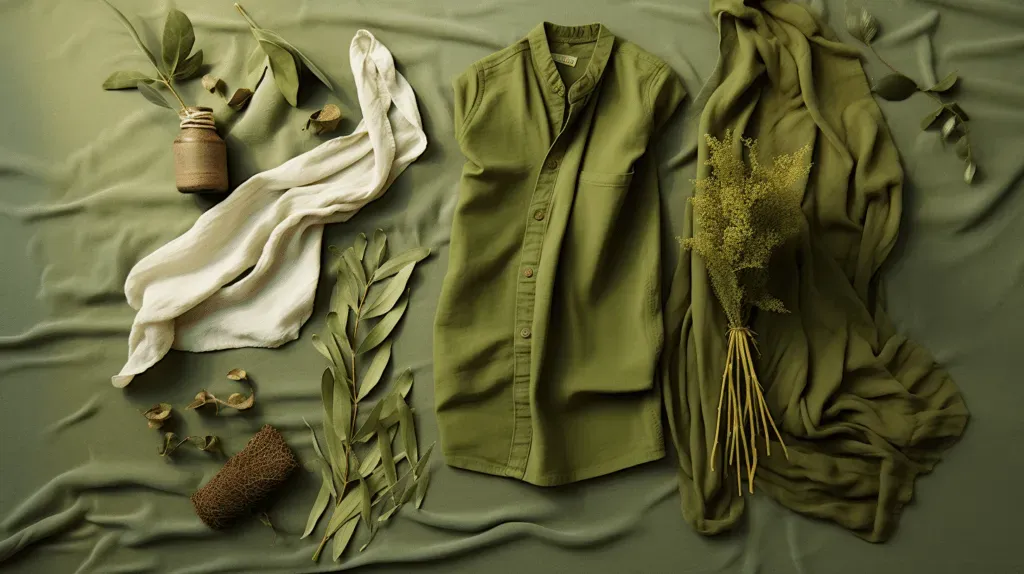
Sustainable fashion fabrics reveal that style and responsibility can coexist, offering textiles that look great, feel comfortable, and minimize environmental impact. By choosing materials like organic cotton, Tencel, hemp, and recycled polyester, you support fibers designed for both performance and ethical production. Eco-friendly materials are often produced with fewer pesticides, closed-loop processes that recycle solvents, or recycled inputs, helping reduce water use and waste. Durability and mindful care also matter, as well-made textiles tend to last longer and require less energy when cared for properly. This introductory guide explores what makes these fabrics sustainable and how to select, care for, and value options that align with fashion goals and environmental values.
For readers new to the topic, think of green textiles that minimize environmental footprints and support fair labor. These eco-conscious materials span plant-based fibers, recycled inputs, and production methods that reduce water, energy, and chemical use. You’ll also hear terms like ethical fabrics, responsible fibers, and circular textiles, all pointing to similar goals of durability, comfort, and lower impact. Understanding these terms helps shoppers compare garments beyond branding and guides choices that align with both style and sustainability.
Sustainable fashion fabrics: Look good, feel good, and shop with purpose
Sustainable fashion fabrics prove that style and responsibility can coexist. Fabrics like organic cotton and Tencel are favored for their lower environmental footprints—organic cotton reduces reliance on synthetic pesticides, while Tencel’s closed‑loop processing recycles solvents. Hemp grows quickly with minimal inputs, and recycled polyester helps divert plastic waste from landfills. When viewed as eco‑friendly materials, these fibers form the backbone of wardrobes that look, feel, and perform well across seasons. Certifications such as GOTS or OEKO-TEX provide assurance, while responsible supply chains and thoughtful blending enhance both sustainability and aesthetics.
Beyond the fiber, the dyeing and finishing steps matter. Low‑impact dyes reduce water and chemical use, and mindful finishing preserves softness and durability. Organic cotton’s natural breathability pairs with the silky hand of Tencel, while hemp adds texture and resilience. Recycled polyester offers durability and moisture management, though there are considerations about microplastics—choosing recycled options with robust filtration and credible certifications helps mitigate impact. Together, these fabrics demonstrate that eco‑friendly materials can align with fashion goals without sacrificing comfort.
Choosing fabrics for different uses: practical tips for everyday wear and performance gear
For everyday wear, prioritize softness, breathability, and easy care. Organic cotton and Tencel provide comfortable, drapey options for tees, sheets, and light dresses, while hemp offers a durable, textured option for casual knits and outer layers. When selecting for daily use, consider the fabric’s life cycle, water and energy use, and how well it pairs with your wardrobe. Blends that balance comfort with performance—often including eco-friendly materials like recycled polyester—can deliver versatility across seasons.
For activewear or outerwear, recycled polyester shines with durability, stretch, and moisture management, especially when blended with other fibers that balance feel and performance. Organic cotton remains a soft base option for low‑intensity activity, while hemp can contribute rugged texture and natural odor control. Evaluate care requirements, weight, and climate when choosing fabrics, and look for transparent supply chains and credible certifications (such as OEKO‑TEX or GOTS). End‑of‑life considerations and take‑back programs help close the loop in sustainable fashion, ensuring that your wardrobe choices align with long‑term environmental values.
Frequently Asked Questions
What are sustainable fashion fabrics and why are options like organic cotton and Tencel considered eco-friendly materials?
Sustainable fashion fabrics are fibers chosen for environmental and social responsibility across their life cycle. For example, organic cotton uses fewer synthetic pesticides and fertilizers; Tencel (Lyocell) is produced in a closed-loop process that recycles solvents and reduces emissions; hemp grows quickly with minimal inputs; recycled polyester diverts plastic waste and lowers virgin petroleum use. To verify sustainability, look for certifications like GOTS or OEKO-TEX and consider end-of-life options.
How should I choose and care for sustainable fashion fabrics like hemp, organic cotton, or recycled polyester to maintain look and performance?
When selecting sustainable fashion fabrics, seek credible certifications, transparent supply chains, and life-cycle data for options like organic cotton, Tencel, hemp, or recycled polyester. For care, wash cotton and Tencel on cooler cycles with mild detergents; hemp tends to soften with wear and benefits from air drying; recycled polyester can offer durability but be mindful of microplastics and choose responsibly certified versions. Blends can balance softness, durability, and eco-friendly attributes.
| Topic | Key Points |
|---|---|
| What makes a fabric sustainable? | Sustainability starts with the fiber and extends to how it’s grown, processed, dyed, finished, and disposed of. A sustainable fabric typically features low water and energy use, reduced chemical inputs, fair labor practices, and a pathway for recycling or biodegradation at the end of its life. Some fibers are inherently more eco-friendly than others: organic cotton uses fewer synthetic pesticides and fertilizers; Tencel (a Lyocell fiber) is manufactured with closed‑loop processes that recycle solvents; hemp grows quickly with minimal inputs; and recycled polyester diverts plastic waste and reduces virgin petroleum reliance. However, no material is perfect in isolation. The most sustainable choices often come from blends, certifications, and responsible supply chains that prioritize multiple environmental and social goals. |
| Inherently eco-friendly fibers | Organic cotton uses fewer pesticides/fertilizers; Tencel/Lyocell (closed‑loop solvent recycling); Hemp (rapid growth, minimal inputs); Recycled polyester (reduces plastic waste and virgin petroleum use). |
| Dyes, finishes, and mindful production | Low‑impact dyes, water‑saving dyeing technologies, non‑toxic finishing; certifications such as OEKO-TEX or GOTS; transparent supply chains and verified practices. |
| Choosing fabrics for different uses | Everyday wear: organic cotton or Tencel; Activewear/outerwear: recycled polyester; Hemp for natural texture; consider climate, use-case, care, and lifecycle alignment. |
| Care, durability, and longevity | Proper care extends life: moderate washing temperatures, gentle detergents; Tencel prefers cooler cycles; hemp softens with wear and benefits from air drying. |
| Environmental and social considerations | Supply chain transparency, fair labor practices, and end-of-life options; circular models and take-back programs help minimize waste. |
| Real-world examples and practical tips | Check fiber content, look for recognized certifications, compare the fiber’s energy and water footprint, and evaluate care requirements; organic cotton, Tencel, hemp, and recycled polyester offer a compelling balance. |
Summary
Sustainable fashion fabrics demonstrate that style, comfort, and responsibility can coexist in a wardrobe built for longevity. By embracing materials such as organic cotton, Tencel, hemp, and recycled polyester, and by paying attention to dyeing processes, certifications, and end-of-life options, you can cultivate a wardrobe that looks good and feels good. The goal isn’t perfection, but progress: choosing materials that minimize environmental impact, respect workers, and offer lasting quality. When you prioritize Sustainable fashion fabrics, you invest in garments that stand the test of time while aligning with your values, contributing to a more responsible and stylish future for fashion.