
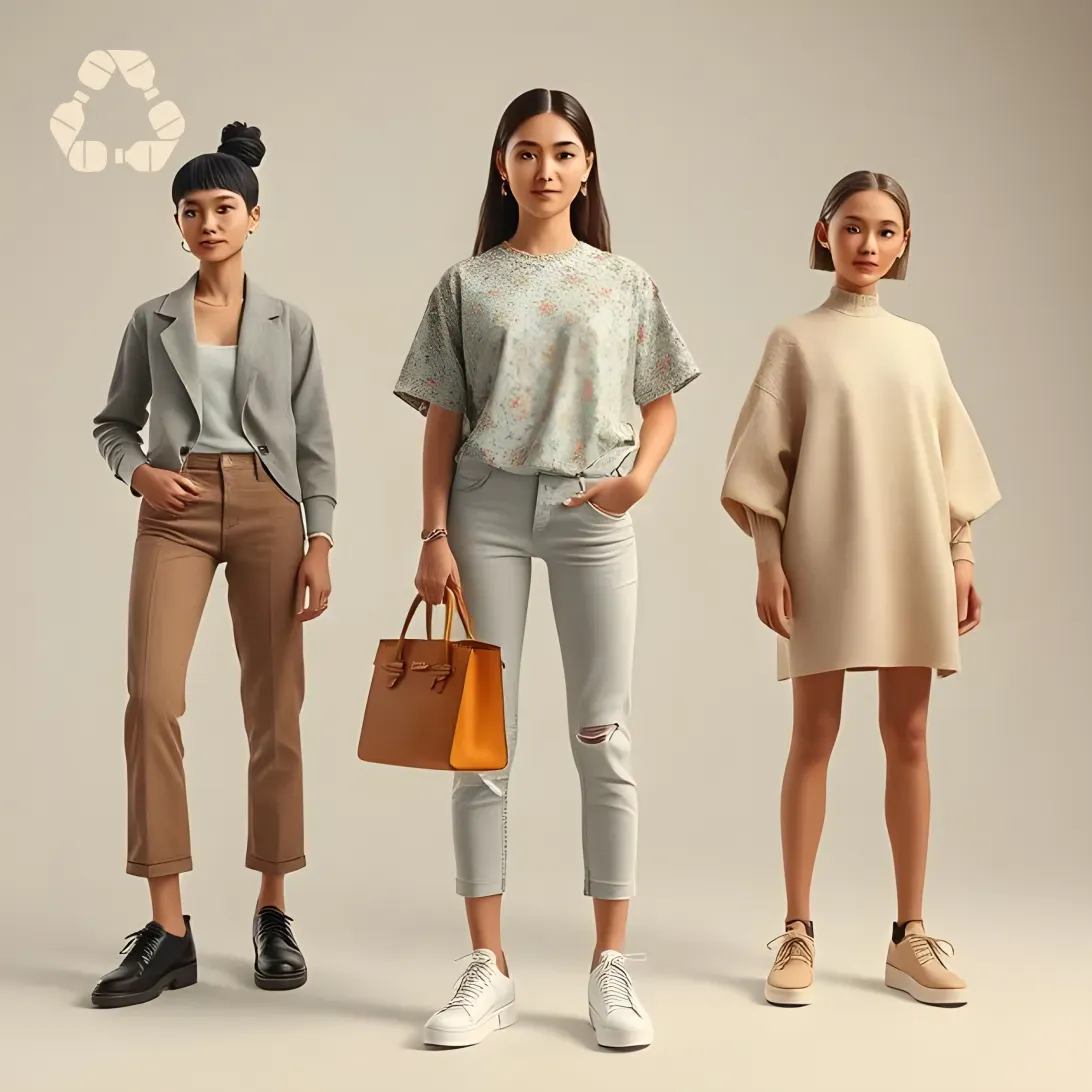
Sustainable fashion is more than a buzzword; it's a practical mindset that reshapes how we shop, wear, and care for clothing. Adopting an eco-friendly wardrobe reduces waste and environmental strain while keeping style intact. By choosing ethical clothing and embracing slow fashion, you build a durable collection that lasts beyond seasons. A capsule wardrobe helps you mix and match versatile pieces, cutting clutter and encouraging mindful purchases. Finally, upcycling and proper care extend garment life, turning old items into fresh favorites rather than landfill fodder.
Viewed through a broader lens, this movement can be framed as eco-conscious clothing that respects people and the planet. It champions responsible style, fair labor, and transparent supply chains, aligning with brands that prioritize sustainable materials and circular design. Think of it as a mindful approach to fashion where quality, durability, and ethical sourcing guide every purchase. In practical terms, that means seeking durable garments, considering recycled or natural fibers, and supporting systems that extend a garment's life.
Sustainable fashion: Build an eco-friendly wardrobe with a capsule wardrobe mindset
Sustainable fashion isn't just a trend—it's a practical approach to shopping and wearing clothes that minimize harm to people and the planet. Framing your closet around an eco-friendly wardrobe and a capsule wardrobe mindset helps you maximize versatility while reducing overconsumption. With fewer, better-made pieces you can mix and match across many outfits, you cut waste, simplify decisions, and invest in style that lasts beyond every season.
Start with a wardrobe audit to identify gaps and confirm which pieces deserve a place in your daily life. Prioritize durable fabrics, timeless designs, and materials with lower environmental impact—organic cotton, linen, hemp, Tencel, and recycled fabrics. Choose brands that offer transparent supply chains and clear ethical standards, and plan for repair, resale, or upcycling so your eco-friendly wardrobe remains a long-term investment rather than a short-lived trend.
Ethical clothing, slow fashion, and upcycling: Practical steps to extend garment life
Ethical clothing means more than choosing nice fabrics—it requires fair wages, safe working conditions, and accountable labor practices throughout the supply chain. Look for third-party certifications such as GOTS, Fair Trade, or Bluesign, and evaluate brand storytelling and factory transparency to ensure your purchases align with your values. By prioritizing ethical clothing, you support workers’ rights and sustainable production while building a closet you can feel proud of.
Slow fashion invites you to buy less but choose better, focusing on long-lasting pieces and proactive maintenance. Embrace upcycling and repair to extend the life of garments, explore resale or rental options for occasional needs, and keep care routines that maximize durability. This approach reduces waste, lowers environmental impact, and creates a more resilient wardrobe that reflects thoughtful consumption.
Frequently Asked Questions
What is sustainable fashion and how can I start building an eco-friendly wardrobe?
Sustainable fashion means choosing clothing in a way that reduces harm to people and the planet while keeping style. To start building an eco-friendly wardrobe, begin with a wardrobe audit, then create a capsule wardrobe of durable, timeless pieces in a cohesive color palette. Prioritize quality over quantity, opt for sustainable materials when possible, and plan for repair, upcycling, or end-of-life recycling to extend each item’s life.
How does ethical clothing fit into sustainable fashion and how can I shop more responsibly?
Ethical clothing means fair wages, safe working conditions, and transparent practices across the supply chain. To shop responsibly within sustainable fashion, look for third-party certifications (like GOTS, Fair Trade, Bluesign), review a brand’s supply chain transparency, and favor brands that embrace slow fashion—buy fewer, higher-quality pieces that last longer.
| Aspect | Key Points | Notes |
|---|---|---|
| Introduction | Sustainable fashion is a practical approach to reducing harm to people and the planet while enjoying well-made clothing. | Starts with intention, a plan, and strategies for a wardrobe you’ll wear for years. |
| Why it matters | Addresses environmental and labor issues: water use, pollution, waste, and fair labor. | Leads to a wardrobe that’s durable, stylish, and value-driven. |
| Key concepts | Quality over quantity; Timeless design; Sustainable materials; Transparent supply chains; End-of-life thinking | Guides eco-friendly wardrobe decisions. |
| 1) Wardrobe audit | Audit what you own; test fit and usefulness; repair, donate, or upcycle worn items. | Identifies gaps and guides changes to align with sustainable values. |
| 2) Capsule wardrobe | Curated mix that covers most occasions with a limited number of pieces; focus on timeless silhouettes. | Reduces waste and decision fatigue; plan outfits to maximize existing pieces. |
| 3) Materials | Look for organic cotton, linen, hemp, Tencel, and recycled fabrics; consider dyes and end-of-life. | Check certifications and supply chain transparency. |
| 4) Ethical clothing | Fair wages, safe conditions, supply-chain transparency; seek third-party certifications (GOTS, Fair Trade, Bluesign). | Durability and ethical production add long-term value. |
| 5) Slow fashion | Buy less, choose better; repair; consider secondhand or rentals. | Long-term value and alignment with values. |
| 6) Upcycling, repair, end-of-life | Upcycle old garments; repair seams and buttons; plan for recycling or donation. | Extends life and reduces waste. |
| 7) Care | Follow care labels; wash less; air dry; eco detergents; proper storage. | Preserves fit and fabric integrity. |
| 8) Smart shopping | Shop secondhand; support ethical brands; buy thoughtfully; rentals for occasions. | Aligns purchases with budget and values. |
| 9) Long-term benefits | Lower environmental footprint; financial savings; timeless pieces; boosted confidence. | A wardrobe built on sustainable principles endures. |
| 10) Getting started today | Audit three items this week; plan one to two categories to acquire more thoughtfully. | Track progress with a checklist or app. |
Summary
Sustainable fashion is a journey toward mindful clothing choices that respect people, the planet, and personal style. By adopting ethical production, prioritizing durable materials, and embracing a capsule wardrobe, you can reduce environmental impact while enjoying versatile, well-made garments. This approach supports transparent supply chains, responsible brands, and end-of-life planning, turning fashion into a sustainable habit rather than a throwaway trend. In practice, sustainable fashion means buying less but choosing better, repairing and upcycling what you already own, and investing in pieces that endure. The goal is a wardrobe that fits your life, budget, and values, proving that style and responsibility can go hand in hand. Sustainable fashion encourages ongoing learning, adaptation, and a commitment to people and the planet.