
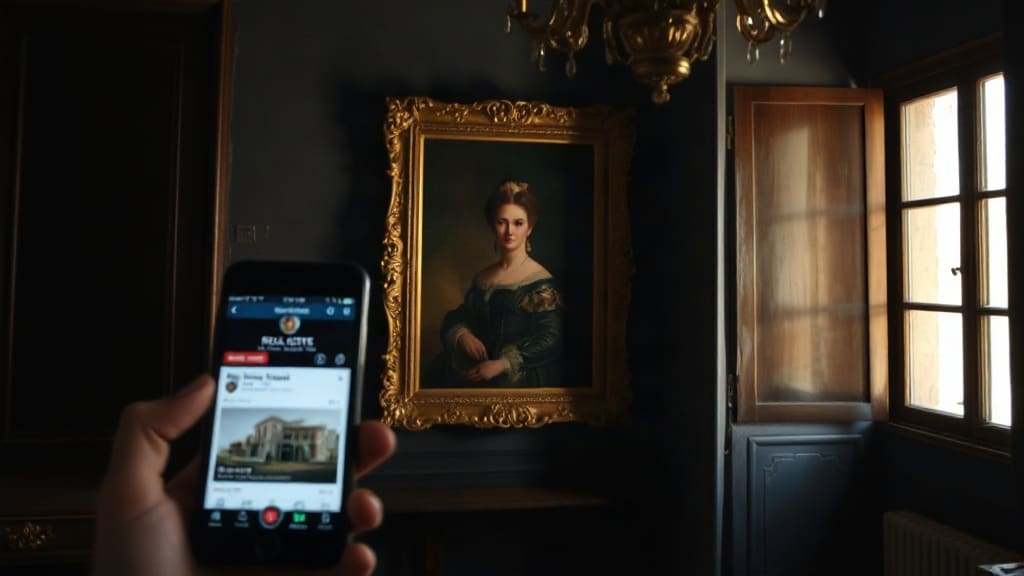
It sounds like the plot of a historical thriller: a masterpiece stolen by a Nazi official in the 1940s, lost for decades, then suddenly appearing in a mundane real estate listing. But for the heirs of the original owner, this is not fiction. The 18th-century painting “Portrait of a Lady”, seized during the chaos of World War II, has resurfaced in Argentina, and legal authorities are now demanding its return.
How the Painting Was Stolen
The story begins in Europe during the 1940s, when Nazi forces systematically looted art collections across the continent. “Portrait of a Lady” was among thousands of works taken from Jewish families and other persecuted groups. The painting was stolen by a high-ranking Nazi official, whose name has not been disclosed in recent reports, and disappeared from public view for nearly eight decades.
Art restitution experts have long suspected that many looted works ended up in South America, where former Nazis fled after the war. Argentina, in particular, became a haven for war criminals and, apparently, for stolen art. The recent discovery of this portrait in a real estate listing confirms those suspicions in a striking way.
The Unlikely Discovery in a Real Estate Ad
Last year, an eagle-eyed researcher or perhaps a casual observer noticed something unusual: a painting hanging on the wall of a property listed for sale in Argentina looked remarkably similar to a known looted work. The listing, which included photographs of the interior, showed the portrait in what appeared to be a private residence or an office. After careful comparison with archival records, experts confirmed that the painting was indeed the missing “Portrait of a Lady.”
The discovery sparked immediate legal action. A formal claim was filed, demanding that the current possessor return the painting to the heirs of its original owner. Under international law and various national restitution policies, property stolen during the Nazi era is subject to return, even if the current holder acquired it in good faith. The case is now moving through the Argentine legal system, with restitution advocates watching closely.
Why This Case Matters for Art Restitution
This case is significant for several reasons. First, it underscores the ongoing nature of Nazi-era art restitution. Even nearly 80 years after the war, looted works continue to surface in unexpected places. Second, it highlights the role of technology and public listings in uncovering hidden treasures. Real estate platforms, auction catalogs, and social media have become unexpected tools for provenance researchers.
Moreover, the case raises important legal and ethical questions. How should a current owner who bought the painting without knowing its history be treated? What evidence is sufficient to prove looting? And how can heirs, often scattered across the globe, assert their rights effectively? In many jurisdictions, including Argentina, laws have evolved to favor restitution, but the process remains complex and lengthy.
The Broader Context: Nazi Looted Art in South America
Argentina and other South American countries have faced criticism for their slow response to Nazi looted art claims. While some high-profile cases have resulted in returns, many works remain hidden in private collections. The discovery of “Portrait of a Lady” in a real estate listing suggests that more looted art may be hiding in plain sight, waiting to be identified.
Experts urge property owners, auction houses, and even real estate agents to exercise due diligence. A simple check against databases of looted art, such as the Art Loss Register or the Nazi-Era Provenance Internet Portal, can prevent legal disputes and moral complicity. In this case, the real estate listing itself became the key evidence, but it also raises concerns about how many other stolen works are displayed in homes and offices without anyone noticing.
What Happens Next?
The legal process in Argentina is expected to take time. The current possessor may contest the claim, arguing that they acquired the painting legally. However, under Argentine law and international principles, good faith acquisition does not extinguish the original owner's rights when the property was stolen. If the court rules in favor of the heirs, the painting will be returned, likely through a formal ceremony or a negotiated settlement.
For the heirs, who have remained anonymous, the return would be a symbolic victory and a measure of justice. For the broader art world, it would be another reminder that the legacy of Nazi looting is far from over. Each restitution case adds to the growing body of precedent that supports the return of cultural property to its rightful owners.
Lessons for Collectors and the Public
This story offers practical lessons for anyone involved in the art market or even casual buyers of older items. First, provenance matters. Before purchasing a work of art, especially one that appears to be from Europe before 1945, it is wise to check its history. Second, if you discover a potentially looted work, reporting it to authorities or restitution organizations is both ethical and legally prudent. Finally, the public can play a role by staying informed and supporting efforts to return stolen cultural property.
The case of “Portrait of a Lady” is a powerful reminder that history is not always confined to museums and textbooks. Sometimes, it hangs on a wall in a real estate listing, waiting for someone to recognize its true story.
Frequently Asked Questions
How was the Nazi-looted painting discovered?
The painting was spotted in photographs of a property listed for sale in Argentina. A researcher noticed that the portrait matched a known looted work and alerted authorities, leading to a formal identification.
Who owned the painting originally?
The original owner was likely a Jewish family or individual whose collection was seized by the Nazis in the 1940s. The heirs have not been publicly named, but they are represented in the legal claim.
What laws require the return of Nazi-looted art?
Several international agreements, such as the Washington Principles on Nazi-Confiscated Art, and national laws in many countries require that stolen art be returned to its rightful owners. Argentina has also adopted measures to address such claims.
Can a good-faith purchaser keep a looted painting?
In most legal systems, a stolen item remains the property of the original owner, even if a later buyer purchased it in good faith. The buyer may be entitled to compensation from the seller, but the item itself must be returned.
Are there other Nazi-looted artworks hidden in Argentina?
It is highly likely. Argentina was a destination for many former Nazis after World War II, and stolen art may have been brought with them. Ongoing research and public vigilance are essential to uncover more hidden works.