
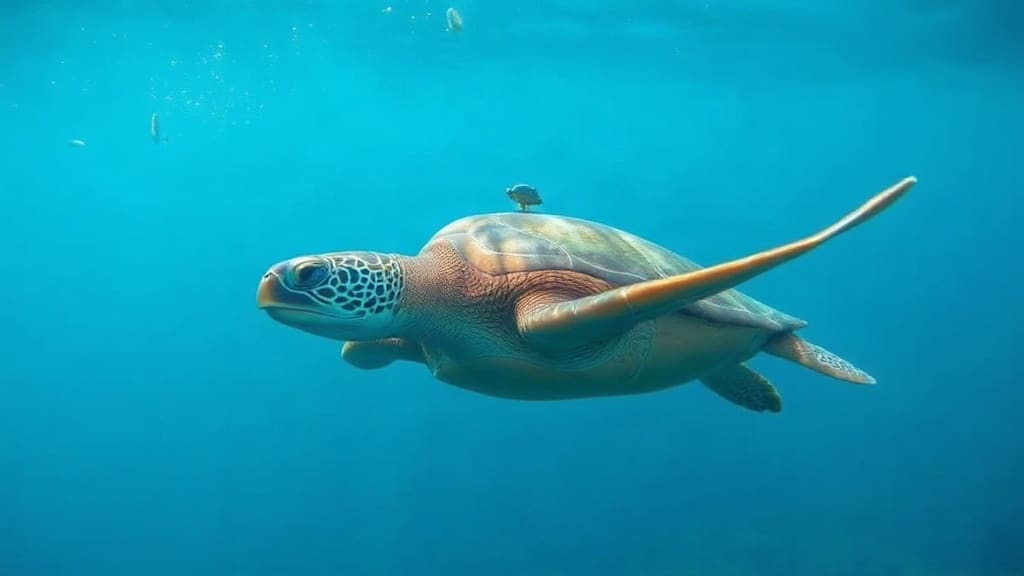
In a heartening turn for marine conservation, a 215-pound adult male green sea turtle named Jurassic has been returned to the Atlantic Ocean following a period of rehabilitation in Florida. His release, made possible by a dedicated team of wildlife experts, marks not only a second chance for one turtle but also a small victory in the ongoing effort to protect an endangered species. Equipped with a satellite tracker, Jurassic now serves as a living data point, offering researchers a window into his post-rehabilitation life and the broader health of our oceans.
A Second Chance for Jurassic
Jurassic's story began when he was found stranded, likely suffering from cold-stunning or injury, though the exact circumstances remain unclear. After being rescued, he was transported to a rehabilitation facility in Florida, where veterinarians and caretakers provided round-the-clock care. Over weeks or months, he regained strength, his weight climbed to a robust 215 pounds, and he was eventually cleared for release. His return to the wild is a testament to the dedication of marine wildlife rehabilitators, who often work behind the scenes to nurse sick or injured animals back to health.
Green sea turtles like Jurassic are classified as endangered, facing threats from habitat loss, pollution, climate change, and accidental capture in fishing gear. Every individual matters for the survival of the species, and Jurassic's release is a tangible step toward keeping the population afloat. The fact that he is an adult male is particularly significant, as males are less frequently encountered in rehabilitation settings, and his genetic contribution to the population could be valuable.
The Role of Satellite Tracking in Conservation
The satellite tracker affixed to Jurassic's shell is more than just a gadget; it is a critical tool for scientists. By monitoring his movements, researchers can learn where he travels, how deep he dives, and which habitats he uses. This information helps identify important foraging grounds, migration routes, and potential threats such as boat traffic or fishing zones. For green sea turtles, which can migrate hundreds or even thousands of miles, understanding their post-release behavior is essential for effective conservation planning.
Satellite telemetry has revolutionized marine turtle research. In the past, scientists relied on flipper tags and occasional sightings, which provided limited data. Today, tags like the one on Jurassic transmit location data via satellites, allowing researchers to track turtles in near real-time. This technology not only aids in protecting individual turtles but also sheds light on the broader health of marine ecosystems. For instance, if Jurassic's travels take him through areas with poor water quality or abundant plastic debris, that signals a need for targeted environmental action.
What We Can Learn from Jurassic's Journey
As Jurassic's tracker sends back data, scientists will analyze his route to see if he returns to familiar grounds or explores new territories. Green sea turtles are known for their fidelity to specific foraging sites, often returning to the same seagrass beds year after year. If Jurassic heads to a known hotspot, it could confirm the importance of that area for the species and bolster arguments for its protection. Conversely, if he ventures into unexpected waters, it might reveal previously unknown habitats that also warrant conservation attention.
Moreover, the data can help assess the success of rehabilitation. If Jurassic thrives and resumes normal behaviors, it validates the rehabilitation process and encourages support for such programs. If he faces challenges, it may highlight lingering issues, such as entanglement risks or disease, that need addressing. In either case, the knowledge gained is invaluable.
The Broader Context: Sea Turtles in Peril
Jurassic's release is a bright spot, but it comes against a backdrop of serious challenges for sea turtles worldwide. Green sea turtles are found in tropical and subtropical oceans, and they play a vital role in maintaining healthy seagrass beds and coral reefs. By grazing on seagrass, they keep it short and productive, benefiting other marine life. However, their populations have plummeted due to human activities.
Some of the major threats include:
- Bycatch: Turtles accidentally caught in fishing nets and longlines often drown or are injured.
- Habitat loss: Coastal development destroys nesting beaches, while pollution and climate change degrade foraging grounds.
- Plastic pollution: Turtles mistake plastic bags for jellyfish, leading to ingestion and often death.
- Climate change: Rising temperatures skew sex ratios (warmer sand produces more females) and erode beaches.
- Illegal trade: Despite protections, turtles are still hunted for their meat, shells, and eggs.
Conservation efforts are multi-pronged. They include protecting nesting beaches, enforcing fishing regulations, reducing plastic use, and rehabilitating injured turtles like Jurassic. Public awareness and education are also crucial, as many people are unaware of how their actions impact marine life.
How Rehabilitation Centers Make a Difference
Rehabilitation centers, such as the one that cared for Jurassic, are on the front lines of sea turtle conservation. They rescue stranded turtles, treat illnesses and injuries, and eventually release them back into the wild. These centers also collect data on turtle health, which can indicate environmental problems. For example, an increase in turtles with fibropapillomatosis, a disease causing tumors, might signal poor water quality.
However, rehabilitation is not without challenges. It requires significant resources, including specialized tanks, food, veterinary care, and staff. Many centers rely on donations and volunteers. The release of a turtle like Jurassic is a morale boost for these teams and a reminder of why their work matters.
What Jurassic's Release Means for the Future
Every released turtle is a beacon of hope, but Jurassic's story also underscores the need for systemic change. While rehabilitation can save individuals, it cannot address the root causes of turtle decline. To truly secure the future of green sea turtles, we must reduce bycatch, protect habitats, and mitigate climate change. Jurassic's satellite tracker will provide valuable data to inform these efforts, but it is up to policymakers, industries, and individuals to act on that information.
For the public, Jurassic's journey is an opportunity to connect with marine conservation. Following his progress online, if the data is made public, can foster a sense of stewardship. Many organizations share turtle tracking maps, allowing people to cheer on their favorite turtles as they swim across oceans. This emotional connection can translate into support for conservation policies and donations to rescue groups.
Simple Actions That Help Sea Turtles
You don't have to be a scientist to help sea turtles. Here are some everyday actions that make a difference:
- Reduce single-use plastics: Bring reusable bags, bottles, and straws.
- Choose seafood responsibly: Look for certifications that ensure turtle-safe fishing practices.
- Volunteer or donate: Support local turtle rescue and rehabilitation centers.
- Be a responsible beachgoer: Clean up trash, avoid disturbing nesting turtles, and turn off lights near beaches at night.
- Spread the word: Educate friends and family about sea turtle conservation.
These small steps, multiplied by millions, can create a safer ocean for Jurassic and his kind.
Frequently Asked Questions
What is a green sea turtle's typical lifespan?
Green sea turtles can live for several decades, with some individuals reaching 70 years or more. They mature slowly, taking 20 to 50 years to reach reproductive age, which makes population recovery a long-term endeavor.
How does satellite tracking work on a sea turtle?
A small transmitter is attached to the turtle's shell using a harmless adhesive. The device sends signals to satellites whenever the turtle surfaces to breathe. These signals are used to plot the turtle's location, allowing researchers to track its movements over time.
Why was Jurassic named Jurassic?
The name Jurassic likely references the prehistoric era, perhaps because of the turtle's ancient lineage or a playful nod to his size and age. Green sea turtles have existed for millions of years, so the name is fitting.
Are green sea turtles endangered?
Yes, green sea turtles are listed as endangered by the International Union for Conservation of Nature (IUCN). Their populations are decreasing due to various human-induced threats, making conservation efforts critical.
Can I track Jurassic online?
It depends on whether the rehabilitation center or researchers share the tracking data publicly. Many organizations provide online maps for tracked turtles. Check with the facility that released him for updates.
Conclusion
Jurassic's return to the Atlantic is a story of resilience and hope. It highlights the impact of rehabilitation and the power of technology to aid conservation. As he swims off, carrying a satellite tag, he becomes an ambassador for his species, reminding us of the beauty and fragility of marine life. Let his journey inspire us to take action, however small, to ensure that green sea turtles continue to grace our oceans for generations to come.