
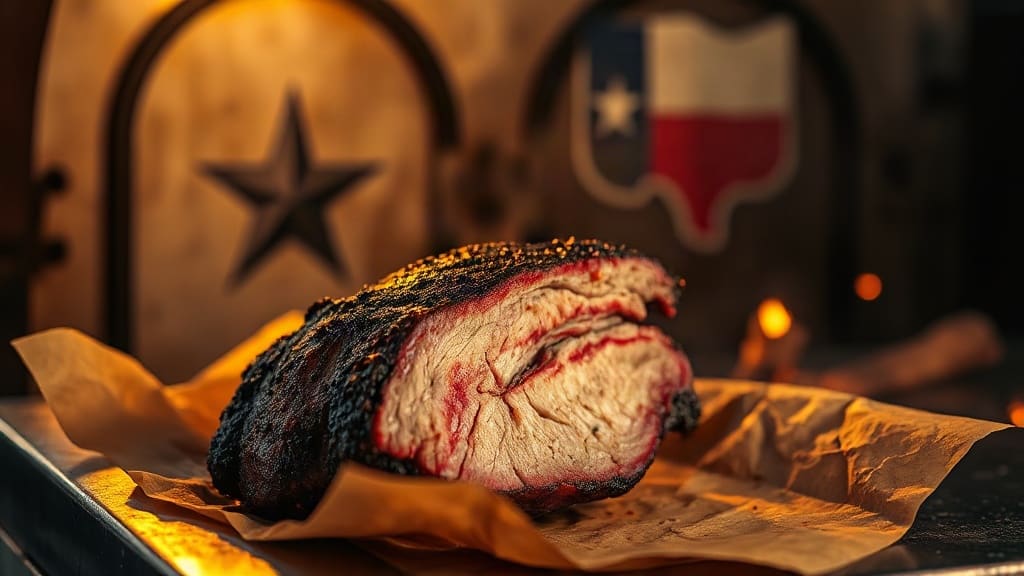
In the heart of Texas, where barbecue is practically a religion, a quiet revolution is smoking away. Muslim pitmasters are stoking fires and rubbing spices, not just to feed their communities, but to redefine what Texas barbecue can be. They are making it halal, accessible, and undeniably delicious, proving that a brisket can honor both Islamic dietary laws and Lone Star tradition. This isn't a story of replacing an icon; it's about expanding the table, one slice of perfectly smoked meat at a time.
The Halal Barbecue Movement Takes Root
Texas barbecue has long been defined by beef brisket, pork ribs, and sausage, all smoked low and slow over post oak. For Muslims, who follow halal dietary guidelines, pork is forbidden and beef must be slaughtered according to Islamic law. This has historically meant that a trip to a classic Texas barbecue joint was off the table. But a new generation of pitmasters is changing that, sourcing halal meats and applying the same time-honored techniques to create barbecue that is both faithful and inclusive.
The movement is driven by a simple insight: halal barbecue is not a compromise. It's an opportunity to bring a rich culinary tradition to a wider audience. In cities like Houston, Dallas, and Austin, halal barbecue spots are drawing diverse crowds, from Muslim families eager for a taste of home to barbecue enthusiasts curious about a new take on an old favorite. The lines outside these places often stretch around the block, a testament to the universal appeal of smoke, spice, and perfectly rendered fat.
From Backyard Smokers to Brick-and-Mortar
Many of these halal barbecue pioneers started small, in backyards and food trucks, perfecting their craft before opening permanent locations. They faced a steep learning curve, often adapting traditional recipes to halal ingredients. For example, pork-based sausage is often replaced with beef or lamb versions, seasoned with the same bold flavors that define Texas barbecue. Brisket, the holy grail of Texas 'cue, requires careful sourcing from halal-certified suppliers, and pitmasters have developed relationships with local farms and distributors to ensure a steady supply of quality meat.
One such pitmaster, who runs a popular halal barbecue joint in Houston, describes the process as a labor of love. "We're not trying to be different for the sake of being different," he says. "We're trying to make the best barbecue we can, and we happen to do it in a way that respects our faith. If that means more people can enjoy it, that's a beautiful thing." This sentiment echoes across the state, where halal barbecue is increasingly seen as a natural evolution rather than a novelty.
The rise of halal barbecue also reflects broader demographic shifts. Texas is home to one of the largest Muslim populations in the United States, with vibrant communities in major metropolitan areas. As these communities have grown, so has the demand for halal versions of beloved American foods. Barbecue, with its deep cultural roots in Texas, was a natural frontier.
Flavor and Technique: No Shortcuts
Make no mistake: halal barbecue is not about cutting corners. The techniques are identical to traditional Texas barbecue. Meats are seasoned with simple rubs, often just salt and pepper, then smoked for hours over oak or pecan wood. The result is a bark that is peppery and crisp, a smoke ring that runs deep, and meat that is tender enough to pull apart with a fork. The only difference is the sourcing of the meat and the absence of pork products.
Some halal pitmasters are also introducing new flavors, drawing on Middle Eastern and South Asian culinary traditions. Lamb, a protein often overlooked in mainstream Texas barbecue, takes center stage, rubbed with spices like cumin, coriander, and smoked paprika. Chicken is marinated in yogurt and herbs before hitting the smoker, resulting in a juicy, flavorful bird that stands apart from the typical barbecue chicken. These innovations are not gimmicks; they are a reflection of the pitmasters' own heritages, adding depth and variety to the Texas barbecue canon.
Halal barbecue is expanding the definition of Texas barbecue, proving that tradition can evolve without losing its soul. For purists who might be skeptical, one bite is often enough to win them over. The smokiness, the tenderness, the balance of fat and lean, it's all there. It's simply made with meat that meets a different set of standards, standards that many argue result in a cleaner, more ethically sourced product.
Building Bridges, One Brisket at a Time
Beyond the food itself, halal barbecue is playing a role in bridging cultural divides. In a state where anti-Muslim sentiment has at times surfaced, these barbecue joints serve as gathering places where people of all backgrounds can break bread, or rather, break brisket. They are spaces where a Muslim family can sit next to a group of oil workers, all united by a shared love of smoked meat. In that sense, halal barbecue is doing what barbecue has always done: bringing people together.
The pitmasters behind these ventures are keenly aware of this dynamic. They see their restaurants not just as businesses, but as platforms for dialogue and understanding. "Food is a universal language," says one Austin-based pitmaster. "When you serve someone a great plate of barbecue, you're not just feeding them; you're sharing a piece of your culture. And in Texas, barbecue is culture."
This inclusive spirit is resonating with a new generation of Texans who are more diverse and more open to culinary experimentation than ever before. The halal barbecue movement is not just a niche trend; it's a reflection of a changing Texas, one where identities are layered and traditions are shared. As more halal barbecue joints open their doors, they are writing a new chapter in the state's storied culinary history, a chapter that is both deeply rooted and boldly inclusive.
The Future of Halal Barbecue in Texas
Looking ahead, the future of halal barbecue in Texas appears bright. The success of early pioneers has inspired a wave of new entrants, from food trucks to full-service restaurants. There is also growing interest from non-Muslim consumers who are drawn to the quality and flavor of halal meats, as well as the story behind the food. Some halal barbecue joints are even winning awards and landing on "best of" lists alongside their traditional counterparts, a sign that the mainstream is taking notice.
Of course, challenges remain. Sourcing halal meat at a consistent quality and price can be difficult, especially for smaller operators. There is also the ongoing need to educate consumers about what halal means and why it matters. But the pitmasters at the forefront of this movement are undeterred. They see their work as a calling, a way to honor their faith, their heritage, and their state. And they are doing it with a smoker, a pile of oak, and a whole lot of heart.
Frequently Asked Questions
What is halal barbecue?
Halal barbecue is barbecue prepared according to Islamic dietary laws. This means the meat is sourced from animals slaughtered in a specific manner, and pork products are strictly avoided. The cooking techniques, such as smoking over wood, are the same as traditional barbecue.
Where can I find halal barbecue in Texas?
Halal barbecue joints are concentrated in major Texas cities like Houston, Dallas, Austin, and San Antonio. Many are listed on apps like Zabihah and Yelp, and word of mouth is often the best guide. Food trucks and pop-ups are also common, so keep an eye on local event listings.
Is halal barbecue as good as traditional Texas barbecue?
Absolutely. The quality of halal barbecue depends on the skill of the pitmaster, just like any barbecue. Many halal joints use the same techniques and woods, and the result is often indistinguishable from traditional barbecue, except for the absence of pork. In fact, some argue that the focus on high-quality, ethically sourced meat enhances the flavor.
Does halal barbecue include pork substitutes?
No, halal barbecue never includes pork or pork byproducts. Instead, pitmasters use beef, lamb, chicken, and sometimes turkey. Beef sausage is often made in-house, seasoned to mimic the flavors of traditional Texas sausage without using pork casings or fillers.
Why is halal barbecue becoming popular among non-Muslims?
Many non-Muslims are drawn to halal barbecue for its quality and flavor. Halal meat is often perceived as fresher and more ethically sourced, and the absence of pork opens up new flavor possibilities. Additionally, the story of cultural fusion and community building resonates with a wide audience.