
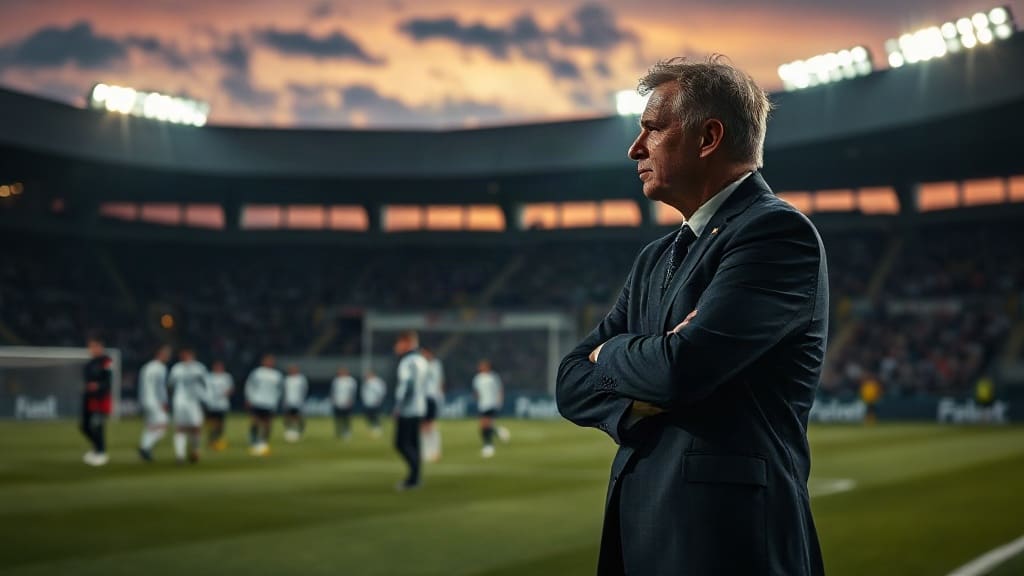
When Tottenham Hotspur broke from their long-standing tradition of frugal spending to splurge on a host of new players this summer, the message was clear: the club meant business. The arrival of several high-profile signings, coupled with the appointment of Roberto De Zerbi as head coach, sent a wave of optimism through the fanbase. Yet, as the new season unfolds, that optimism has been tempered by a familiar impatience. De Zerbi, a manager known for his demanding tactical style, has barely had time to imprint his philosophy on a squad that is still finding its feet. The international break, which has whisked away the majority of his players for another three weeks, only compounds the challenge. It is time to give De Zerbi a proper chance.
The Weight of Expectation
Big spending always brings big expectations. Tottenham's summer outlay was almost unprecedented for a club that has often been praised for its financial prudence. For years, Spurs operated with a self-sustaining model, carefully balancing the books while their rivals splashed the cash. That approach brought stability but also frustration, as the team frequently fell just short of major honors. This summer, the board decided to change tack, backing the new manager with significant funds. The result? A squad brimming with talent but also with question marks over how quickly they can gel.
Supporters, understandably, are eager to see immediate returns. After all, the club's ambitions are clear: challenge for top four, go deep in cup competitions, and maybe, just maybe, end the long wait for a trophy. But football history is littered with examples of big-spending projects that took time to bear fruit. Manchester City's early years under Sheikh Mansour, Chelsea's first season under Roman Abramovich, even Liverpool's resurgence under Jurgen Klopp, none were overnight successes. De Zerbi, like those managers, needs time to implement his ideas and foster chemistry among his new charges.
De Zerbi's Tactical Blueprint
Roberto De Zerbi made his name in Italy with Sassuolo, where he earned plaudits for an adventurous, possession-based style that punched above the club's weight. At Brighton, he further enhanced his reputation, guiding the Seagulls to their highest-ever Premier League finish and European qualification. His teams are known for their intricate build-up play, aggressive pressing, and fluid attacking movements. Implementing such a system requires buy-in from every player and countless hours on the training pitch.
At Tottenham, De Zerbi inherits a squad that has been assembled with a mix of experienced internationals and promising young talents. Some, like the new midfield recruits, are accustomed to similar styles, while others will need to adapt. The manager has already spoken about the need for patience, stressing that his methods are not a quick fix. "We need time to work, to understand each other," he said in a recent press conference. "The results will come, but we must stay calm."
The Challenge of International Duty
As if the usual transition period were not enough, De Zerbi has had to contend with the international calendar. No sooner had the season started than a large chunk of his squad departed for World Cup qualifiers, European Championship warm-ups, and friendly tournaments. For a manager trying to build cohesion, this is a significant disruption. Players return at different times, often fatigued or carrying minor knocks, and the training ground becomes a revolving door.
This is not a unique problem, but it is particularly acute for a new manager at a club with lofty ambitions. De Zerbi has had to use video analysis and remote communication to keep his ideas flowing, but nothing beats face-to-face work on the grass. The upcoming international break, which will see the majority of his players away for another three weeks, is another hurdle. It is a frustrating reality of modern football, but one that must be navigated with patience.
Why Patience Is Crucial
In the age of social media and instant reactions, patience is a rare commodity. A couple of poor results and the calls for change begin. But knee-jerk decisions rarely lead to long-term success. Tottenham's hierarchy, having invested heavily in both the squad and the coaching staff, must hold their nerve. De Zerbi is not a manager who relies on quick fixes; he builds teams that improve over time. His Brighton side, for instance, took a few months to adapt to his methods before becoming one of the most watchable teams in the league.
Moreover, the new signings need time to adjust to the Premier League's intensity. Some are arriving from foreign leagues, where the pace and physicality are different. Others are young players taking a step up. They will make mistakes, but those mistakes are part of the learning curve. De Zerbi's coaching staff, known for their attention to detail, will work on ironing out flaws. But that process requires patience from everyone: the board, the fans, and the media.
Lessons from History
Look at some of the most successful managerial tenures in recent Premier League history. Jurgen Klopp took over at Liverpool in October 2015 and did not win a trophy until 2019. Pep Guardiola's first season at Manchester City ended trophyless, but he was given time to implement his philosophy. Mikel Arteta endured a difficult start at Arsenal, with calls for his dismissal, before turning things around. The common thread? Clubs that stuck with their managers reaped the rewards.
Tottenham have tried the quick-fix approach before, with mixed results. The hiring and firing of managers like Jose Mourinho and Antonio Conte brought short-term buzz but no lasting success. Perhaps it is time for a different strategy: backing a young, progressive coach and giving him the tools and time to build something sustainable. De Zerbi fits that profile perfectly.
What Success Would Look Like
It is important to define what a successful season looks like for De Zerbi's Tottenham. It may not be a trophy or a top-four finish. Instead, success could be measured by progress: a clear playing identity, improved performances against big teams, and the development of young players. If Spurs can end the season with a recognizable style and a squad that has gelled, that would be a solid foundation for future campaigns.
Of course, football is results-driven, and De Zerbi knows that. But the context matters. He is not inheriting a finished article; he is building a new project. The summer signings were made with his input, and they are not yet the finished product. Judging him before they have had a chance to settle would be premature.
The Role of the Fans
Supporters have a crucial role to play. Their passion can drive the team forward, but their impatience can also create a toxic atmosphere. At Brighton, De Zerbi enjoyed a supportive environment where fans appreciated the journey. Tottenham's fanbase, starved of success for so long, is understandably eager for instant gratification. But if they can show a bit of patience, they might just witness the birth of something special.
It is also worth remembering that De Zerbi is not immune to criticism. He will make mistakes, as all managers do. But the key is to learn from them and keep moving forward. The international break, while disruptive, also offers him a chance to work with the players who remain and to refine his tactics. When the full squad returns, they will have a run of fixtures that could define their season.
Conclusion: Time to Trust the Process
Roberto De Zerbi is a talented coach with a clear vision. Tottenham's summer spending was a statement of intent, but it also raised the stakes. The club must now show the same faith in De Zerbi that they showed in the transfer market. Giving him a proper chance means accepting that there will be bumps in the road, that the team may not click immediately, and that the international breaks will continue to disrupt. But if the board, the players, and the fans pull in the same direction, the rewards could be significant.
In a world of instant reactions, patience is a superpower. Let's give De Zerbi the time he needs to turn Tottenham into a team that not only competes but also entertains. The journey may be long, but the destination could be worth it.
Frequently Asked Questions
How long does Roberto De Zerbi need to implement his style at Tottenham?
Typically, a new manager needs at least a full season to fully implement their tactical ideas, especially when integrating several new signings. De Zerbi's methods are complex, so patience is key. Fans should look for gradual improvement rather than instant results.
What impact do international breaks have on De Zerbi's plans?
International breaks disrupt training and reduce the time the manager has with his full squad. Players return at different times and may be fatigued or injured. This makes it harder to build cohesion, but De Zerbi can use the time to work with remaining players and analyze footage.
Why did Tottenham spend so much in the summer transfer window?
Tottenham's board decided to back the new manager with significant funds to strengthen the squad and challenge for major honors. The spending was a statement of ambition, but it also increased expectations. The club now needs to give De Zerbi time to make the signings gel.
What are realistic expectations for De Zerbi's first season?
A realistic expectation is a top-six finish and a clear playing identity. A trophy would be a bonus, but the main goal should be progress and building a foundation for future success. Judging De Zerbi solely on results in his first season would be unfair.