
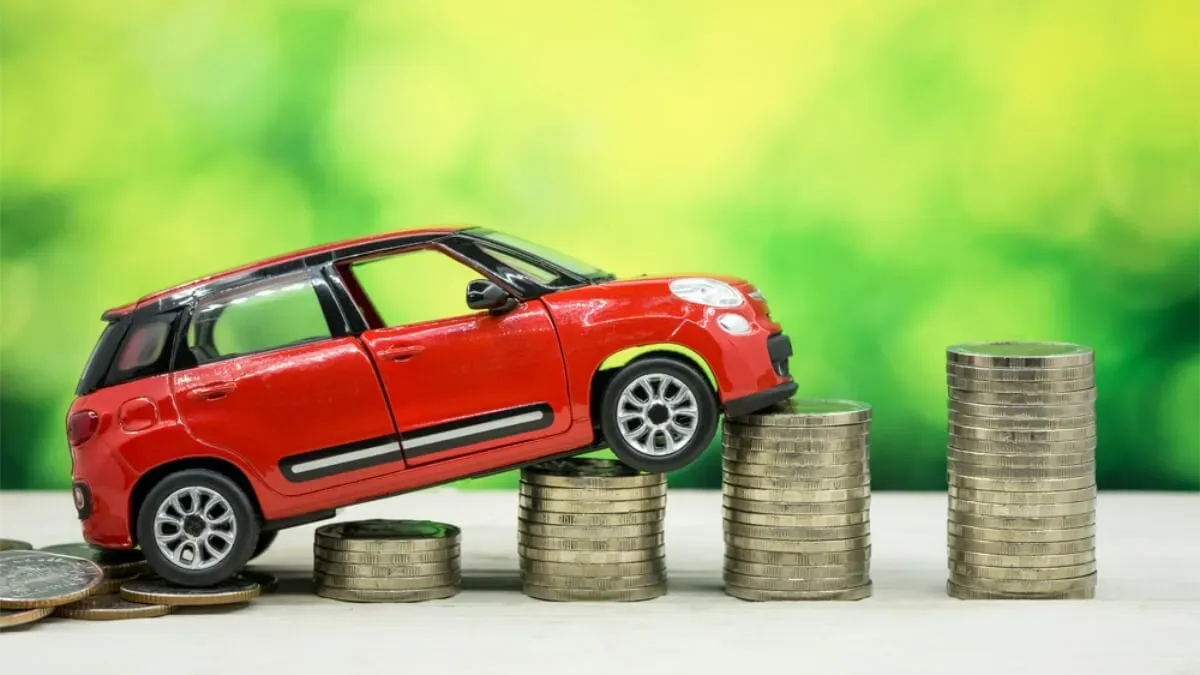
Economics of owning an automobile shapes everyday budgeting and long-term planning, revealing that the sticker price is only the opening chapter. This perspective highlights car ownership costs, financing choices, and the hidden charges that accumulate over years. Beyond the purchase price, vehicle depreciation and insurance premiums drive the total cost of ownership. Ongoing expenses such as fuel costs and auto maintenance expenses, together with insurance, add up and shape overall affordability. By analyzing upfront costs, depreciation, and ongoing costs, readers can make smarter choices that balance reliability with long-term value.
In alternative terms, the discussion shifts to the economics of mobility, focusing on ownership costs rather than the sticker price. This LSI-informed framing emphasizes asset value erosion, financing impact, and recurring outlays that influence daily affordability. A deeper analysis tracks the lifetime financial footprint—ongoing operating expenses, financing charges, insurance, fuel, and maintenance—through the lens of total cost of ownership. Framing the topic this way connects depreciation, resale value, fuel efficiency, and maintenance schedules with real-world decisions like buying, leasing, or using shared mobility.
Economics of owning an automobile: unpacking total cost of ownership and depreciation
Understanding the economics of owning an automobile starts with recognizing the total cost of ownership (TCO). TCO captures upfront costs, financing charges, taxes and fees, insurance, fuel, maintenance, repairs, and even resale value, enabling a comprehensive comparison of options beyond the sticker price. Framing ownership through TCO helps you evaluate car ownership costs across different scenarios, such as buying new versus used, leasing, or relying on public transit for some trips.
Depreciation is often the single largest expense after the initial purchase, shaping how much your vehicle truly costs over time. A new car typically loses a sizable portion of value in the first three to five years, whereas a well-chosen used car may depreciate more slowly. When planning, consider factors like vehicle depreciation, insurance, fuel costs, and ongoing auto maintenance expenses as part of a holistic strategy to minimize losses and maximize long-term value.
Strategies to minimize car ownership costs: optimize fuel, maintenance, and insurance
To lower car ownership costs, focus on long-term levers such as reliability, resale value, and smart financing within the total cost of ownership framework. Selecting a model with strong depreciation resistance and predictable maintenance needs can reduce annual costs, while negotiating favorable loan terms helps keep interest from inflating the overall expense. This approach aligns with the broader idea of minimizing car ownership costs by balancing upfront price with expected depreciation and ongoing expenses.
Practical steps to reduce ongoing costs include boosting fuel efficiency, scheduling proactive maintenance, and shopping for affordable insurance. Small improvements in fuel economy and prudent driving habits translate into meaningful reductions in fuel costs and overall TCO. Regular maintenance—tires, brakes, fluids, and timely repairs—helps prevent costly failures, preserving reliability and resale value, while careful insurance selection and deductible choices stabilize monthly expenses and protect against unexpected repairs.
Frequently Asked Questions
In the Economics of owning an automobile, how does the total cost of ownership (TCO) of a new car compare with that of a used car over seven years?
The total cost of ownership includes upfront price, financing, taxes and fees, insurance, fuel, maintenance, repairs, and depreciation. New cars typically have higher upfront costs and steeper depreciation in the first 3–5 years, but offer better warranty and fuel efficiency. Used cars usually cost less upfront and depreciate more slowly after purchase, but may require more auto maintenance expenses over time. For a seven-year horizon, a well-chosen used car can yield a lower TCO if depreciation is steep in the early years and maintenance remains affordable. The key is to compare TCO scenarios by calculating all components—upfront costs, financing, insurance, fuel, maintenance, and projected resale value—for both options.
What strategies can minimize car ownership costs—specifically depreciation, auto maintenance expenses, fuel costs and insurance?
Focus on five levers to reduce car ownership costs: (1) choose models with strong reliability and resale value to slow depreciation; (2) stick to a proactive maintenance schedule to lower auto maintenance expenses and avoid costly repairs; (3) improve fuel efficiency with regular maintenance, proper tires, and economical driving habits; (4) shop for insurance and select deductibles that balance monthly premiums with coverage; and (5) plan your ownership horizon—holding the car longer spreads depreciation over more years, and consider alternatives like leasing or car-sharing if trips are infrequent.
| Aspect | Key Points |
|---|---|
| Upfront costs and financing | New vs used tradeoffs; upfront purchase price; taxes/fees; financing terms; insurance; shorter loan terms recommended; larger down payment can reduce long-term costs; cheapest monthly payment isn’t always cheapest over years. |
| Depreciation and the vehicle’s value curve | Depreciation is the largest expense after purchase; new cars lose value in 3–5 years; factors include brand reliability, mileage, maintenance history, market demand; longer ownership can spread depreciation; aim to minimize depreciation impacts. |
| Ongoing costs (fuel, maintenance, etc.) | Fuel and maintenance; insurance premiums; tires/brakes; registration and taxes; financing and opportunity costs; track monthly/annual total cost of ownership (TCO); compare with mobility alternatives. |
| Total cost of ownership in practice | Decision depends on horizon and needs; scenarios include new car over seven years, used car over seven years, leasing, or public transit for part of needs; evaluate TCO across scenarios. |
| Long-term savings strategies | Prioritize reliability and resale value; optimize maintenance; consider TCO when buying; improve fuel efficiency; plan for insurance and taxes; consider leasing or car-sharing for limited needs. |
| Conclusion (summary) | The Economics of Owning an Automobile is about more than sticker price—it's a holistic view of how a vehicle fits into your finances over years, balancing depreciation, ongoing costs, and strategic choices to maximize value and maintain flexibility. |
Summary
Table provided above summarizes the key points from the base content.