
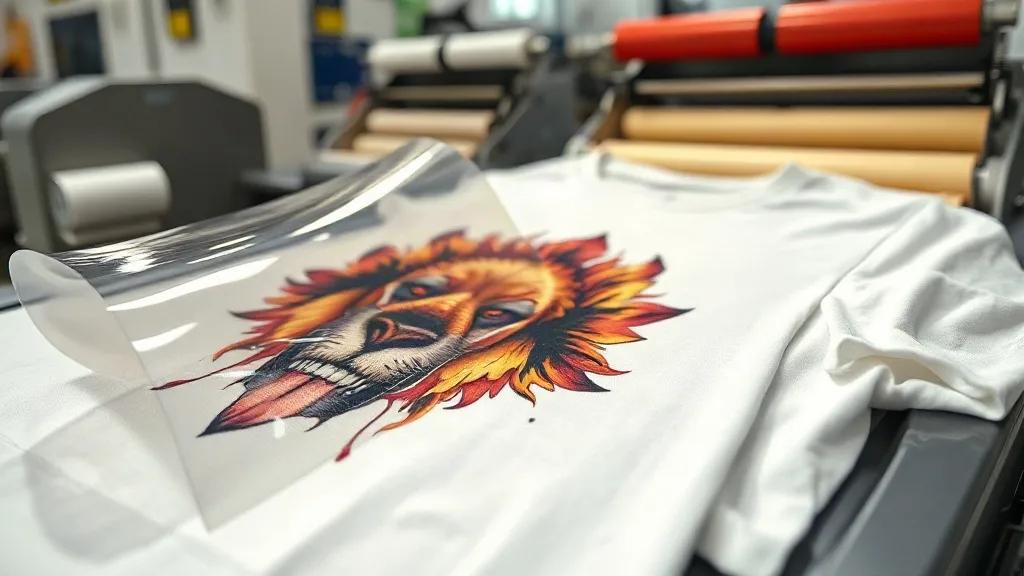
If you've been searching for a way to bring your custom apparel ideas to life without the hassle of traditional printing methods, dtf transfers might be exactly what you need. This innovative technology has been gaining massive traction in the garment decoration industry, and for good reason. Whether you're a small business owner, a hobbyist, or a professional printer, understanding DTF transfers can open up a world of possibilities for vibrant, durable designs on almost any fabric.
In this guide, we'll walk you through everything you need to know about dtf transfers, from the basic process to advanced tips that will elevate your printing game. By the end, you'll have a clear roadmap to creating stunning custom apparel that stands out.
What Are DTF Transfers?
DTF stands for Direct to Film. Unlike DTG (Direct to Garment) or screen printing, DTF involves printing your design onto a special film, applying a powder adhesive, and then heat-pressing it onto your fabric. The result is a soft, stretchable, and incredibly durable print that can be applied to cotton, polyester, blends, and even treated nylon. This versatility is a game-changer for anyone who works with different types of garments.
The process begins with a digital printer that uses specialized DTF inks. These inks are vibrant and can produce photographic-quality images with fine details. After printing, a hot-melt powder is applied to the wet ink, which acts as the adhesive when heat-pressed. Once the powder is cured, the transfer is ready to be applied to a garment using a heat press.
The DTF Printing Process Step by Step
- Design Preparation: Create your artwork in a graphic design software, ensuring it's mirrored if necessary (though many DTF printers handle mirroring automatically).
- Printing: The design is printed onto a PET film using DTF inks. White ink is typically used as a base layer to ensure opacity on dark garments.
- Powdering: While the ink is still wet, a hot-melt adhesive powder is sprinkled over the design. Excess powder is shaken off.
- Curing: The film with powder is heated to melt the powder, creating a smooth adhesive layer. This can be done in an oven or with a heat press.
- Transfer: The cured film is placed onto the garment and heat-pressed. After cooling, the film is peeled away, leaving the design bonded to the fabric.
Each step requires attention to detail, but once mastered, the process is efficient and yields professional results.
Why Choose DTF Transfers Over Other Methods?
There are several compelling reasons why DTF transfers have become a favorite among apparel decorators. Let's explore the key benefits.
Unmatched Versatility
One of the biggest advantages of DTF transfers is their ability to adhere to a wide range of fabrics. Unlike DTG, which works best on 100% cotton, DTF can be applied to cotton, polyester, cotton-poly blends, and even leather or denim. This means you can offer custom prints on virtually any garment your customers desire.
Vibrant and Durable Prints
DTF transfers produce incredibly vibrant colors, even on dark fabrics, thanks to the white ink base. The prints are also highly durable, withstanding repeated washing without fading or cracking. The stretchability of the transfer means it moves with the fabric, preventing unsightly cracks over time.
Cost-Effective for Small Runs
For small batches or one-off designs, DTF is more cost-effective than screen printing, which requires setup fees for each color. With DTF, you can print a single transfer for a fraction of the cost, making it ideal for personalized items or sample production.
No Weeding or Cutting Required
Unlike heat transfer vinyl (HTV), DTF transfers don't require weeding or cutting. You simply print, powder, cure, and press. This saves significant time and labor, especially for intricate designs with fine details.
Environmentally Friendly Options
Many DTF inks are water-based and eco-friendly, reducing the environmental impact compared to solvent-based inks. Additionally, the process produces less waste than traditional methods, as you only use the ink and powder needed for each design.
Applications of DTF Transfers
DTF transfers are used across a spectrum of apparel and accessory items. Here are some popular applications:
- T-shirts and Hoodies: Create custom designs for personal use or resale.
- Sportswear: The stretchability makes DTF perfect for jerseys and activewear.
- Tote Bags: Add vibrant graphics to canvas bags.
- Hats and Caps: Apply logos or designs to curved surfaces with ease.
- Corporate Uniforms: Branded workwear with durable prints.
- Promotional Items: Quick turnaround for events and giveaways.
The possibilities are nearly endless, limited only by your creativity.
Getting Started with DTF Transfers: Tips for Success
If you're ready to dive into DTF printing, here are some practical tips to ensure smooth sailing.
Choose the Right Equipment
Invest in a quality DTF printer and heat press. While you can start with a converted inkjet printer, dedicated DTF printers offer better reliability and print quality. A heat press with precise temperature and pressure control is crucial for consistent results.
Use High-Quality Supplies
Not all DTF films and powders are created equal. Opt for films designed specifically for DTF printing to prevent curling or melting. The powder should have a fine consistency for even adhesion. Quality inks ensure vibrant colors and longevity.
Master the Heat Press Settings
Each fabric type may require slightly different settings. Generally, a temperature of 300-320°F (150-160°C) with medium pressure for 10-15 seconds works well. Always test on a scrap piece first. Too much heat can scorch the fabric, while too little can cause the transfer to peel.
Properly Cure the Powder
Incomplete curing leads to poor adhesion. Ensure the powder is melted completely until it looks glossy. You can use a heat gun or an oven. Overcuring can make the transfer brittle, so find the sweet spot.
Peel with Care
DTF transfers can be peeled hot or cold, depending on the film. Most modern films are cold peel, meaning you wait for the transfer to cool before removing the film. This prevents the design from stretching or lifting.
Store Transfers Correctly
If you're not using transfers immediately, store them in a cool, dry place away from direct sunlight. Proper storage prevents the powder from absorbing moisture, which can affect adhesion.
Common Challenges and How to Overcome Them
Even with the best practices, you might encounter some issues. Here are solutions to common DTF problems.
Transfer Not Adhering
If the design peels off after washing, it's likely due to insufficient pressure, temperature, or time during pressing. Increase these parameters and ensure the garment is flat and free of wrinkles.
Colors Look Dull
Dull colors can result from using too much powder or over-pressing. Use a fine powder and brush off excess thoroughly. Also, ensure your printer's ink settings are correct.
Film Curling
Cheap films tend to curl when heated. Invest in quality PET films designed for DTF to avoid this issue.
Powder Clumping
Moisture in the powder can cause clumps. Store powder in an airtight container and keep your workspace dry.
Frequently Asked Questions About DTF Transfers
What is the difference between DTF and DTG printing?
DTG prints directly onto the garment, while DTF prints onto a film that is then transferred. DTF works on more fabric types and often produces more vibrant colors on dark garments. DTG is limited mainly to cotton.
Can I use DTF transfers on dark fabrics?
Absolutely. DTF transfers include a white ink base that makes colors pop on dark fabrics. This is one of its major advantages over other methods.
How long do DTF prints last?
With proper application and care, DTF prints can last as long as the garment itself. They withstand 50+ washes without significant fading or cracking.
Do I need a special printer for DTF?
You can convert an inkjet printer to use DTF inks, but dedicated DTF printers are recommended for best results. They are designed to handle the ink and film efficiently.
Is DTF printing cost-effective for small businesses?
Yes, especially for small runs. There are no minimum orders or setup fees, making it ideal for startups and personalized orders.
DTF transfers are transforming the custom apparel industry by offering unparalleled versatility, durability, and vibrancy. Whether you're new to printing or looking to expand your services, embracing DTF technology can set you apart. With the right knowledge and tools, you can create stunning custom pieces that delight customers and grow your business.