
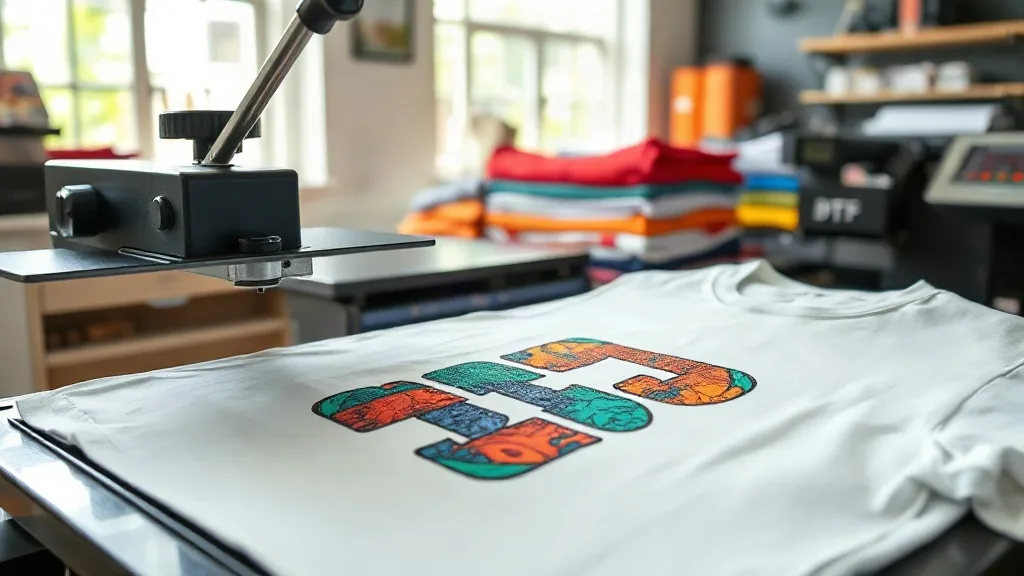
If you've been in the custom apparel game for any length of time, you've likely heard the buzz around dtf transfers. This innovative printing method has quickly become a favorite among hobbyists and professionals alike, offering a versatile and cost-effective way to add vibrant designs to fabrics. Whether you're running a small print shop, creating merchandise for your band, or just want to personalize your own wardrobe, understanding DTF technology can open up a world of creative possibilities.
What Are DTF Transfers?
DTF stands for Direct-to-Film. It's a printing technique where your design is printed onto a special film, then coated with a powdered adhesive, and finally heat-pressed onto the fabric. Unlike DTG (Direct-to-Garment) printing, which prints directly onto the shirt, DTF transfers allow you to print on a wide variety of materials, including cotton, polyester, blends, and even some synthetics. The result is a soft, stretchable print that holds up wash after wash.
How Does the DTF Process Work?
The DTF process involves several steps, each crucial to achieving a high-quality transfer. Here's a breakdown:
- Design Preparation: Your artwork is prepared digitally, ensuring it's mirrored and properly sized.
- Printing: A specialized DTF printer lays down white ink (for opacity) and then color inks onto a PET film.
- Powder Application: While the ink is still wet, a hot-melt adhesive powder is applied evenly over the design.
- Curing: The film is heated to melt the powder, creating a dry, stable transfer.
- Heat Pressing: The transfer is placed on the fabric and pressed with a heat press, bonding the design to the material.
Each step requires precision, but once you get the hang of it, DTF transfers can be produced quickly and efficiently.
Why Choose DTF Transfers?
There are several compelling reasons why DTF transfers have gained such popularity:
- Versatility: DTF works on almost any fabric, including dark colors and synthetic materials, without the need for pre-treatment.
- Durability: The prints are highly durable, resistant to cracking, peeling, and fading, even after multiple washes.
- Soft Hand Feel: Unlike some other methods, DTF transfers produce a soft, flexible print that doesn't feel heavy or plastic-like.
- Cost-Effective: For short runs and one-off designs, DTF is more economical than screen printing, as there are no setup costs for screens.
- Vibrant Colors: DTF printers can produce incredibly vibrant and detailed prints, making your designs pop.
These benefits make DTF transfers an attractive option for businesses looking to offer custom apparel without investing in expensive equipment.
DTF Transfers Near Me: Finding Quality Suppliers
If you're not ready to invest in a DTF printer, you can easily order DTF transfers from specialized suppliers. When searching for dtf transfers near me, consider the following factors to ensure you get the best quality:
- Reputation: Look for suppliers with positive reviews and a track record of delivering high-quality transfers.
- Material Quality: Inquire about the inks and films used; premium materials ensure better durability and color vibrancy.
- Turnaround Time: If you're on a tight deadline, choose a supplier with fast production and shipping times.
- Customer Service: Good communication is key, especially if you have specific requirements or need advice.
- Pricing: Compare prices, but don't sacrifice quality for cost. Remember that cheap transfers may not last as long.
Many suppliers offer online ordering with shipping, so you can access top-quality DTF transfers even if there's no local provider. HarwinDTF, for example, offers a wide range of DTF transfers with fast shipping and excellent customer support.
Applications of DTF Transfers
DTF transfers are incredibly versatile and can be used for a multitude of applications:
- Custom T-Shirts: Create personalized tees for events, teams, or resale.
- Hoodies and Sweatshirts: Add designs to thicker fabrics without worrying about adhesion issues.
- Tote Bags: Personalize canvas bags for promotional items or retail.
- Sportswear: DTF prints stretch with the fabric, making them ideal for activewear.
- Corporate Uniforms: Brand uniforms with logos and designs that withstand frequent washing.
The possibilities are endless, limited only by your imagination.
Tips for Successful DTF Transfers
To get the best results with DTF transfers, keep these tips in mind:
- Preheat Your Fabric: Always pre-press the garment to remove moisture and wrinkles.
- Use the Right Pressure: Follow the transfer supplier's recommendations for temperature, pressure, and time.
- Peel Cool: Most DTF transfers require cool peeling for best results.
- Post-Press: A second press with a cover sheet can improve durability.
- Store Transfers Properly: Keep unused transfers in a cool, dry place to prevent premature curing.
These simple steps can significantly enhance the quality and longevity of your DTF prints.
DTF vs. Other Printing Methods
How does DTF stack up against other popular printing methods?
- DTF vs. DTG: DTF is more versatile (works on more fabrics) and often more cost-effective for small batches, while DTG is better for large orders of cotton shirts.
- DTF vs. Screen Printing: Screen printing is more economical for large runs of simple designs, but DTF wins for complex, multi-color designs and short runs.
- DTF vs. Vinyl: Vinyl is limited to simple shapes and colors, while DTF can reproduce photographic images with gradients and fine details.
Each method has its strengths, but DTF's flexibility makes it a strong contender for many projects.
Frequently Asked Questions About DTF Transfers
How long do DTF transfers last?
With proper application and care, DTF transfers can last as long as the garment itself. They are resistant to cracking and fading, even after 50+ washes.
Can I use DTF transfers on dark colors?
Absolutely! DTF transfers include a white ink layer that provides a bright base, making them ideal for dark fabrics.
Do I need a special printer for DTF?
Yes, DTF printing requires a DTF printer and specialized inks and film. However, you can purchase pre-printed DTF transfers from suppliers if you don't want to invest in equipment.
What fabrics work best with DTF?
DTF works on a wide range of fabrics, including cotton, polyester, blends, and even some nylons. It's not recommended for fabrics with a heavy texture or waterproof coatings.
How do I find DTF transfers near me?
Search online for local suppliers or check with printing communities. Many suppliers offer fast shipping, so you can order from anywhere. HarwinDTF is a trusted online source for high-quality DTF transfers.
Conclusion
DTF transfers have truly revolutionized the custom apparel industry, offering unmatched versatility, durability, and vibrant colors. Whether you're a seasoned pro or just starting out, incorporating DTF into your workflow can elevate your designs and delight your customers. With the abundance of suppliers and resources available, there's never been a better time to explore the world of DTF printing.