
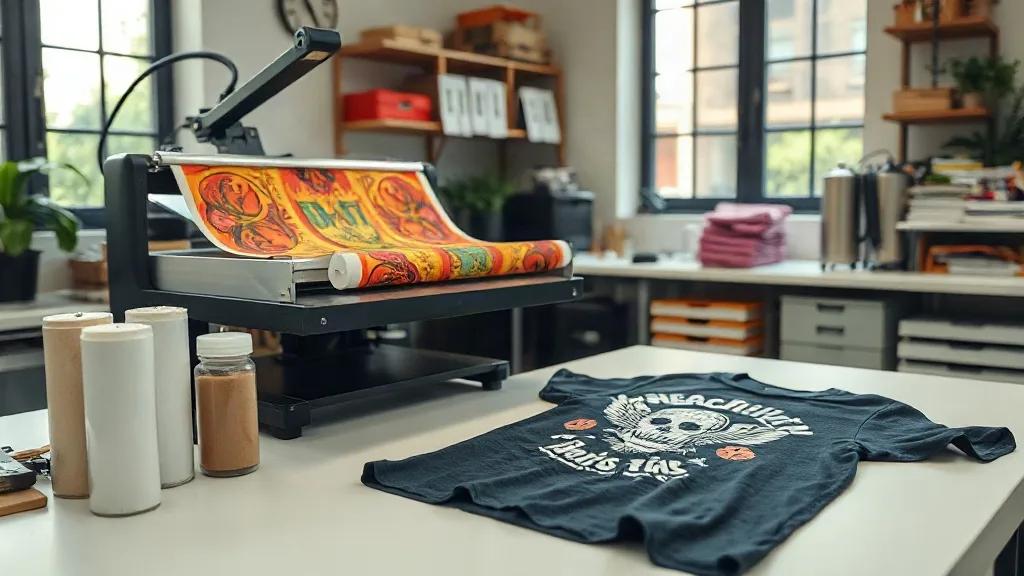
When you first hear about dtf printing, it might sound like just another industry acronym. But for small business owners, crafters, and anyone who has ever tried to print a detailed design onto a dark t-shirt, DTF (Direct to Film) is a game-changer. Unlike traditional methods that require specialized equipment or minimum orders, DTF transfers let you produce high-quality, full-color prints on demand, right from your home studio. In this guide, we'll walk you through what DTF transfers are, how they work, and why they might be the missing piece in your custom apparel business.
What Are DTF Transfers?
DTF stands for Direct to Film. It's a printing process where your design is printed onto a special film, coated with a adhesive powder, and then heat-pressed onto fabric. The result is a vibrant, durable print that can adhere to almost any material, including cotton, polyester, and blends. Unlike DTG (Direct to Garment) printing, which requires the garment to be pre-treated and can be finicky on dark colors, DTF transfers are printed separately and then applied, giving you more control and flexibility.
The magic of DTF lies in its simplicity. You don't need a fancy printer dedicated to garments; a modified inkjet printer with DTF inks and films does the job. Once printed, the film is dusted with a hot-melt adhesive powder, cured, and then stored until you're ready to press it onto a shirt. This decoupling of printing and pressing means you can print designs in bulk, store them, and press them as orders come in. For a small business, that's a huge advantage.
How DTF Transfers Work: Step by Step
Understanding the process helps you appreciate why dtf transfers are so popular. Here's a breakdown of the steps involved:
- Design Preparation: Create your artwork in a graphics program and mirror it horizontally. This is crucial because the film will be flipped when pressed.
- Printing: Load the DTF film into your printer. The printer lays down a layer of white ink (for opacity) followed by CMYK inks to create the full-color image.
- Powdering: While the ink is still wet, the film is covered with a hot-melt adhesive powder. You then shake off the excess, leaving a thin, even layer.
- Curing: The film goes into a curing oven or under a heat press for a short time to melt the powder and set the ink. This step is critical for durability.
- Pressing: Finally, the transfer is placed on the garment and pressed with a heat press at a specific temperature and pressure for a set time. Once cooled, you peel away the film, leaving a soft, stretchable print.
Each step requires attention to detail, but the learning curve is manageable. Many suppliers offer starter kits that include everything you need to begin.
Why Choose DTF Transfers Over Other Methods?
If you're comparing DTF to other decoration methods like screen printing, vinyl, or DTG, here's why DTF often comes out on top:
- No color limits: DTF can reproduce photographic images with gradients, shadows, and fine details that screen printing can't match without multiple screens.
- Works on many fabrics: From 100% cotton to polyester, blends, and even leather, DTF adheres well. Vinyl, on the other hand, can struggle with stretchy fabrics.
- Low startup cost: You don't need a $20,000 printer. A converted Epson printer and a heat press can get you started for under $2,000.
- No minimums: Print one or one hundred. This is ideal for small businesses that want to test designs or offer personalized products.
- Durability: When applied correctly, DTF prints survive dozens of washes without cracking or fading. They stretch with the fabric, making them comfortable to wear.
- Speed: Once your workflow is set, you can produce a transfer in minutes and press it in seconds. That means faster turnaround for customers.
Of course, there are trade-offs. DTF prints can feel slightly thicker than DTG on light garments, and the process involves more steps than vinyl. But for many, the benefits far outweigh the drawbacks.
Getting Started with DTF Transfers
Ready to dive in? Here's a practical roadmap to setting up your DTF operation.
1. Choose Your Equipment
You'll need a printer that can handle DTF inks and films. Many people start with an Epson EcoTank or similar printer converted for DTF use. You'll also need a heat press (clamshell or swing-away), a curing oven or a second heat press for curing, and a powder shaker (or you can do it manually).
2. Select Quality Supplies
Not all DTF films and powders are created equal. Look for films that offer good ink absorption and release. The powder should have a low melting point and be fine-grained for smooth results. Inks should be vibrant and compatible with your printer.
3. Master the Workflow
Start with simple designs to dial in your settings. Temperature, pressure, and time can vary based on your equipment and materials. Keep a log of what works. Join online communities to learn from others' experiences.
4. Market Your Services
Once you're confident, promote your DTF printing services. Emphasize the ability to print full-color, detailed designs on any fabric, with no minimum order. Local sports teams, small businesses, and event organizers are great targets.
Common Challenges and How to Overcome Them
Like any craft, DTF has its quirks. Here are a few common issues and their solutions:
- Faded or dull prints: Usually caused by insufficient powder or under-curing. Increase powder coverage and ensure proper curing temperature.
- Cracking after washing: Often due to over-stretching the print during pressing or not enough pressure. Adjust your heat press settings.
- Film jams: Make sure your printer is clean and use high-quality film. Humidity can also affect film handling.
- Poor adhesion on polyester: Polyester requires lower pressing temperatures to avoid dye migration. Use a lower temperature and press for a longer time.
With practice, these issues become rare. The key is to stay patient and consistent.
Is DTF Right for Your Business?
DTF transfers are not a one-size-fits-all solution, but they excel in specific scenarios. If you run a small apparel business that offers customized products, DTF gives you the freedom to print complex designs without inventory risk. If you're a crafter who wants to make personalized gifts, DTF opens up a world of possibilities beyond vinyl. And if you're a screen printer looking to expand into short-run, full-color work, DTF is a natural complement.
However, if you only print simple one-color designs in large quantities, screen printing might still be more cost-effective. And if you primarily print on 100% cotton t-shirts in light colors, DTG could be simpler. The decision depends on your specific needs and customer base.
Frequently Asked Questions About DTF Transfers
What fabrics can I use with DTF transfers?
DTF transfers work on a wide range of fabrics, including cotton, polyester, cotton-poly blends, nylon, leather, and even some treated woods. The key is that the fabric can withstand the heat of the press (usually around 300-350°F).
How long do DTF prints last?
When applied correctly, DTF prints can last as long as the garment itself. They typically withstand 50+ washes without significant fading or cracking. Proper washing inside out in cold water and avoiding bleach will extend their life.
Do I need a special printer for DTF?
You can convert a standard inkjet printer (like an Epson EcoTank) to use DTF inks and films. However, dedicated DTF printers are available and offer better reliability and print quality. Many starters begin with a converted printer to keep costs low.
Can I print white ink with DTF?
Yes, DTF printing uses white ink as a base layer to ensure opacity on dark fabrics. This is one of the advantages over DTG, which requires a white underbase that can be tricky to apply evenly.
How do I store DTF transfers?
Store unused transfers in a cool, dry place, away from direct sunlight. Keep them flat or rolled, not folded, to prevent creasing. Properly stored transfers can last for several months.
DTF transfers are more than a trend; they're a practical solution for modern apparel decoration. Whether you're just starting out or looking to expand your offerings, the flexibility and quality of DTF are hard to beat. With a modest investment and a bit of practice, you can produce professional-grade prints that delight your customers and set your business apart.