
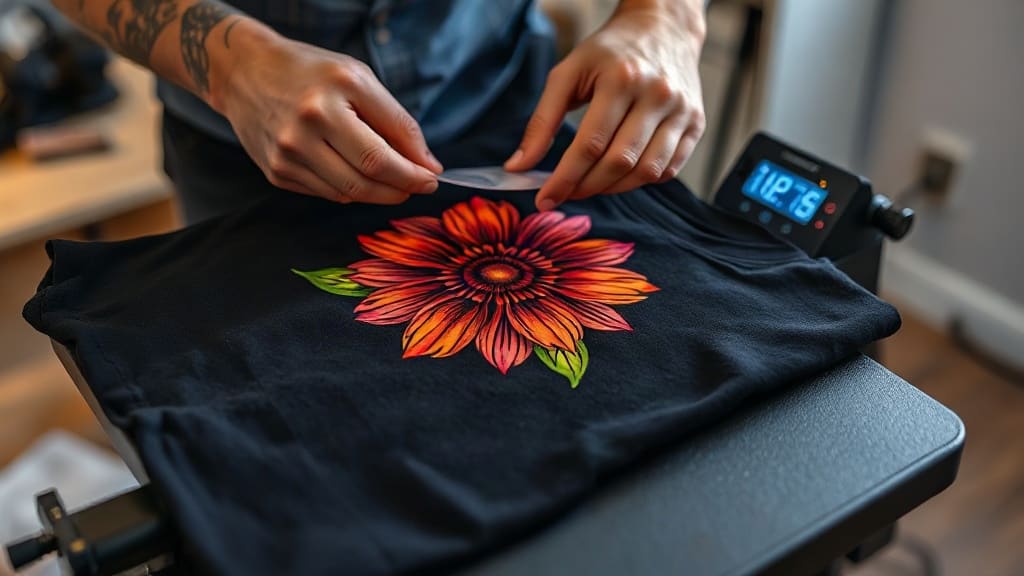
If you are in the custom apparel business or just love creating unique t-shirts at home, you have probably heard the buzz around DTF. Direct to Film printing is changing the game, making it easier than ever to produce vibrant, durable designs on all kinds of fabrics. But what exactly are DTF transfers and why are they becoming the go-to choice for so many creators? Let's break it down in plain English.
Imagine being able to print a full color design onto a special film, coat it with adhesive powder, and then heat press it onto a shirt, hoodie, or even a tote bag. That is DTF in a nutshell. Unlike older methods like screen printing or vinyl cutting, DTF does not require weeding, screen setup, or color separation. You get a ready-to-press transfer that works on cotton, polyester, blends, denim, and even leather. It is fast, flexible, and incredibly detailed.
What Are DTF Transfers and How Do They Work?
DTF transfers are essentially printed designs on a special film that can be transferred to fabric using heat and pressure. The process starts with a digital printer that uses DTF-specific inks. The design is printed in reverse onto a PET film. While the ink is still wet, a hot melt adhesive powder is applied evenly over the print. The powder sticks only to the ink, not the film. Then the film is cured, usually with heat, to set the adhesive. Now you have a transfer ready to press.
When you are ready to apply it, you place the film on your garment with the adhesive side down, cover it with a protective sheet, and heat press it at around 160-170 degrees Celsius for 10-15 seconds. After pressing, you let it cool slightly and peel the film away. The design remains on the fabric, looking bright and feeling soft to the touch. It really is that simple.
Why Choose DTF Over Other Printing Methods?
There are several reasons why DTF is gaining so much popularity. First, the color vibrancy is outstanding. DTF inks produce rich, opaque colors that pop on dark and light fabrics alike. You do not need a white underbase like you do with some other methods because the white ink is printed as part of the design. That means you can use the same transfer on a black shirt or a white shirt without any changes.
Second, the durability is impressive. When done correctly, DTF transfers can withstand dozens of washes without cracking or fading. The adhesive bonds deeply with the fabric fibers, creating a flexible finish that moves with the garment. This is a huge advantage over heat transfer vinyl, which can crack over time, especially on stretchy materials.
Third, the versatility is unmatched. You can use DTF on almost any fabric type, including cotton, polyester, nylon, and blends. It also works on hard surfaces like wood and metal, though fabric is the most common application. Whether you are making a single shirt for a birthday or a bulk order for a sports team, DTF scales beautifully.
Finding Quality DTF Transfers Near Me
If you are not ready to invest in your own DTF printer, you can easily order custom DTF transfers near me from local print shops or online suppliers. Searching for "DTF transfers near me" on Google will show you businesses in your area that offer this service. Many of them allow you to upload your design online and either pick up the transfers or have them shipped to your door.
When choosing a supplier, look for one that uses high-quality inks and films. Ask about their turnaround time and whether they offer a sample pack so you can test their quality before placing a large order. Reading reviews from other customers can also give you confidence that you are getting a product that will last.
How to Apply DTF Transfers Like a Pro
Applying DTF transfers correctly is key to getting that professional finish. Here is a step-by-step guide to help you avoid common mistakes:
- Pre-press your garment for 5-10 seconds to remove moisture and wrinkles. This helps the adhesive bond better.
- Place the transfer on the garment with the printed side facing down. Make sure it is positioned exactly where you want it.
- Cover the transfer with a Teflon sheet or parchment paper to protect both the transfer and your heat press.
- Press at 160-170°C (320-340°F) with medium to firm pressure for 10-15 seconds. Do not move the press during this time.
- Allow the transfer to cool for a few seconds. For hot peel films, you can peel while warm; for cold peel, wait until it reaches room temperature.
- Peel the film slowly and evenly. If any part of the design lifts, re-press for a few more seconds.
- For extra durability, cover the design with a silicone sheet and press again for 5-10 seconds.
By following these steps, you will get crisp, long-lasting results every time. It may take a little practice to perfect your technique, but once you do, you will wonder how you ever lived without DTF.
Common Mistakes to Avoid with DTF Transfers
Even experienced users can run into issues if they are not careful. Here are some pitfalls to watch out for:
- Using too little pressure: If the pressure is not firm enough, the adhesive will not fully activate, leading to peeling after washing.
- Incorrect temperature: Too hot can scorch the transfer or damage the fabric; too cold means the adhesive will not melt properly.
- Peeling at the wrong time: Some films are hot peel, others are cold peel. Using the wrong peel method can ruin the design.
- Not pre-pressing: Moisture in the fabric can create steam that prevents proper adhesion.
- Skipping the final press: A second press after peeling helps set the adhesive and improves washability.
Avoid these mistakes, and you will be well on your way to producing high-quality custom apparel that your customers will love.
DTF vs DTG: What's the Difference?
Many people confuse DTF with DTG (Direct to Garment) printing. Both use digital inkjet technology, but there are key differences. DTG prints directly onto the garment, which means the fabric must be pre-treated and usually needs to be cotton or a high-cotton blend. DTF prints onto a film first, then you transfer it, so it works on a wider range of materials. DTF also tends to produce more vibrant colors on dark garments and has a softer hand feel compared to DTG, which can feel stiff if not done properly.
Another advantage of DTF is that you can stockpile transfers and press them on demand. With DTG, you have to print each garment individually, which is slower for large orders. For small businesses and hobbyists, DTF transfers offer a more flexible and cost-effective solution.
Cost Considerations: Is DTF Worth the Investment?
If you are thinking about getting into DTF, you might be wondering about the costs. A basic DTF printer setup can range from a few hundred dollars for a converted inkjet printer to tens of thousands for a commercial system. You also need the special inks, films, and adhesive powder. However, if you already have a heat press, you can start by ordering custom transfers from a supplier and avoid the upfront equipment cost.
Many small businesses find that ordering DTF transfers near me from a local provider is a smart way to test the market before committing to their own equipment. Once you have a steady stream of orders, investing in your own printer can pay for itself quickly. The cost per transfer drops significantly when you produce in-house, and you have complete control over quality and turnaround time.
Creative Ideas for Using DTF Transfers
DTF is not just for t-shirts. Here are some creative ways to use DTF transfers to expand your product line:
- Custom tote bags and backpacks
- Hoodies and sweatshirts with intricate designs
- Work uniforms with logos and names
- Sports jerseys and team apparel
- Baby onesies with cute, soft prints
- Hats, caps, and beanies
- Aprons, pillows, and home decor items
The only limit is your imagination. Because DTF adheres to so many surfaces, you can offer personalized products that stand out from the competition.
Tips for Storing and Handling DTF Transfers
Proper storage is crucial to maintain the quality of your DTF transfers. Keep them in a cool, dry place away from direct sunlight. High heat and humidity can cause the adhesive powder to activate prematurely or the film to stick together. Store transfers flat or gently rolled, not folded, to avoid creases that could affect the print. If you have multiple transfers, separate them with parchment paper to prevent sticking.
When handling transfers, avoid touching the printed side with your fingers, as oils from your skin can interfere with adhesion. Use clean, dry hands or wear gloves. With proper care, your transfers can last for months without losing their effectiveness.
Frequently Asked Questions About DTF Transfers
How long do DTF transfers last on a shirt?
When applied correctly, DTF transfers can last for 50 or more washes without significant fading or cracking. The key is to use high-quality materials, press at the right temperature and pressure, and follow proper washing instructions. Washing garments inside out in cold water and avoiding harsh detergents will extend the life of the print.
Can I use a regular iron instead of a heat press for DTF transfers?
While a heat press is highly recommended for consistent results, you can use a regular household iron in a pinch. Set the iron to the highest setting with no steam, apply firm pressure for 15-20 seconds, and make sure to cover the transfer with parchment paper. However, a heat press provides even heat and pressure, which is essential for a durable bond. For best results, invest in a heat press or use a professional service.
Are DTF transfers safe for children's clothing?
Yes, DTF transfers are safe for children's clothing when applied properly. The inks and adhesive powders used by reputable manufacturers are non-toxic and comply with safety standards. Always check with your supplier to ensure their products are CPSIA compliant if you are making items for children under 12.
Can I wash DTF printed garments normally?
Yes, you can wash DTF printed garments normally, but to maximize longevity, turn the garment inside out, use cold water, and avoid bleach or fabric softeners. Tumble dry on low heat or hang dry. Do not iron directly on the design; if needed, iron inside out or use a protective cloth.
What is the minimum order for custom DTF transfers?
Many suppliers have no minimum order, allowing you to order just one transfer if you need a single shirt. Others may have a small minimum, such as 5 or 10 pieces, especially for gang sheets where multiple designs are printed on one sheet. When searching for "DTF transfers near me", ask about minimums and pricing to find the best option for your needs.
Whether you are a seasoned professional or just starting out, DTF technology offers an exciting way to bring your creative visions to life. With the right supplies and a little practice, you can produce stunning, durable custom apparel that stands the test of time. So why not give DTF transfers a try today?