
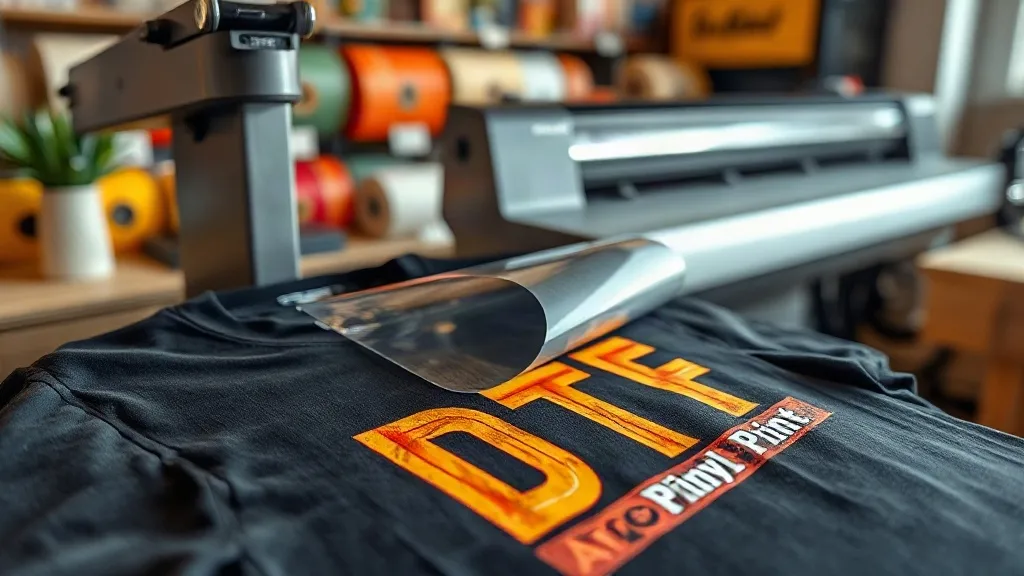
If you have been anywhere near the custom apparel scene lately, you have probably heard the buzz about dtf printing. This technology is changing the way creators, small businesses, and hobbyists approach garment decoration. Unlike traditional methods that limit you to certain fabrics or require expensive setup, DTF transfers open up a world of possibilities. Whether you are printing a single custom tee or running a full production line, understanding DTF transfers can save you time, money, and a lot of frustration.
In this guide, we will break down exactly what DTF transfers are, how they compare to other printing methods, and how you can get started with them today. By the end, you will have a clear picture of why this method has become a go-to for so many professionals.
What Are DTF Transfers?
DTF stands for Direct to Film. It is a printing process where your design is printed onto a special film, coated with a adhesive powder, and then heat-pressed onto your fabric. The magic happens in the film: it holds the ink and the powder, which melts and bonds with the fabric under heat. This creates a print that is incredibly soft, stretchy, and durable.
Unlike DTG (Direct to Garment) printing, which requires the garment to be loaded into a specialized printer, DTF transfers are printed separately and then applied. This means you can print on virtually any fabric: cotton, polyester, blends, even nylon and leather. The versatility is a game-changer for anyone who works with diverse materials.
Another key difference is the color vibrancy. DTF transfers use white ink as a base, which allows them to produce bright, opaque colors on dark garments without the need for a white underbase. This makes them perfect for detailed, multicolor designs that would be difficult or impossible with other methods.
Why Choose DTF Transfers Over Other Methods?
There are several printing methods out there, each with its own strengths and weaknesses. Here is how DTF transfers stack up against the competition.
No Weeding, No Cutting
If you have ever worked with heat transfer vinyl (HTV), you know the pain of weeding tiny details. With DTF transfers, there is no weeding required. The design is printed and ready to press. This saves hours of tedious work and reduces the risk of errors. For intricate designs with fine lines or small text, this is a massive advantage.
Works on Almost Any Fabric
As mentioned, DTF transfers adhere to a wide range of materials. Cotton, polyester, cotton-poly blends, spandex, nylon, and even leather can all be decorated with DTF. This is not the case with DTG, which works best on 100% cotton, or vinyl, which can struggle with stretchy fabrics. If you offer a variety of apparel, DTF gives you the freedom to say yes to more projects.
Vibrant Colors and Fine Details
Because DTF uses a white ink base, colors pop on both light and dark garments. You can achieve gradients, photorealistic images, and fine details that other methods might muddy. The result is a print that looks professional and holds up wash after wash.
Cost-Effective for Small and Large Runs
Screen printing requires a separate screen for each color, which makes short runs expensive. DTF transfers have no setup fees and no minimum order quantities. You can print one or one hundred with the same cost per transfer. This makes DTF ideal for small businesses, on-demand printing, and personalization.
How to Apply DTF Transfers: Step by Step
Applying DTF transfers is straightforward, but following the right steps ensures a long-lasting, professional finish. Here is what you need to do.
- Preheat your heat press. Set the temperature to around 300-320°F (150-160°C). Every transfer may have slightly different recommendations, so always check the instructions from your supplier.
- Pre-press the garment. This removes moisture and wrinkles, which can cause the transfer to fail. Press for 5-10 seconds.
- Place the transfer. Position the DTF transfer with the printed side facing up. The film should be on top.
- Press. Apply medium to firm pressure for 10-15 seconds. Do not use steam.
- Peel. You can peel the film either hot or cold, depending on the transfer type. Most DTF transfers are cold peel, meaning you wait for it to cool completely before removing the film. This gives the adhesive time to set.
- Post-press. For extra durability, cover the design with a Teflon sheet or parchment paper and press again for 5-10 seconds. This ensures the adhesive fully cures.
Once you have mastered these steps, you can produce consistent, high-quality results every time.
Common Mistakes to Avoid with DTF Transfers
Even though DTF is forgiving, there are pitfalls that can ruin your print. Here are the most common ones and how to avoid them.
- Insufficient pressure: If the pressure is too light, the adhesive won't bond properly, and the transfer may peel off after a few washes. Make sure your press is adjusted correctly.
- Wrong temperature: Too hot and the film may melt or the ink may crack; too cold and the adhesive won't activate. Invest in a heat gun or infrared thermometer to verify your press temperature.
- Not pre-pressing: Skipping the pre-press can trap moisture, leading to bubbles or poor adhesion.
- Peeling too early: If you peel the film while it's still hot, the design can stretch or lift. Always follow the recommended peel method.
- Using the wrong fabric: While DTF works on many fabrics, some heavily textured or coated materials may not accept the transfer well. Test on a scrap piece first.
By avoiding these mistakes, you will save time and materials, and your customers will be happier with the results.
DTF Transfers vs. Other Printing Methods: A Quick Comparison
To help you decide if DTF is right for your next project, here is a side-by-side look at how it compares to DTG and screen printing.
- DTF: No minimums, works on any fabric, vibrant colors, no weeding, soft feel. Best for small batches, complex designs, and diverse materials.
- DTG: Best for 100% cotton, no minimums, but limited to certain fabrics and can be less vibrant on dark colors. Requires specialized printer.
- Screen Printing: Best for large runs, very durable, but high setup costs and limited colors per screen. Not cost-effective for small orders.
As you can see, DTF transfers fill a gap that other methods leave open. They offer the flexibility of digital printing with the durability of screen printing.
Getting Started with DTF Transfers
If you are ready to dive into DTF, here is what you need to know. First, you will need a DTF printer or a supplier who can provide you with ready-to-press transfers. Many businesses start by outsourcing their transfers to a professional service, which eliminates the need for a large upfront investment in equipment and maintenance.
When choosing a supplier, look for high-quality inks and films. Cheaper options may save money initially but can lead to faded prints, cracking, or poor adhesion. A reputable supplier will provide clear instructions and support.
If you decide to print in-house, you will need a DTF printer, DTF ink, DTF film, and adhesive powder. The learning curve is moderate, but with practice, you can produce transfers that rival any professional service. Just remember that proper maintenance of your printer is crucial to avoid clogged nozzles and inconsistent results.
For those who want to skip the equipment and focus on pressing, ordering custom dtf transfers from a trusted source is the way to go. You can upload your designs, and the transfers arrive ready to press. This is perfect for small businesses, crafters, and anyone who wants to offer custom apparel without the hassle of printing.
Frequently Asked Questions About DTF Transfers
How long do DTF transfers last?
When applied correctly, DTF transfers can last as long as the garment itself. They are resistant to cracking, peeling, and fading. Proper washing (inside out, cold water, no harsh bleach) will extend their life even further. Many users report that their DTF prints outlast vinyl and even some screen prints.
Can I use DTF transfers on dark colors?
Absolutely. DTF transfers are actually ideal for dark garments because the white ink base makes colors stand out. You do not need to worry about the fabric color affecting the design. This is a major advantage over DTG, which often requires a white underbase and can still look faded on dark shirts.
What is the best temperature for pressing DTF transfers?
Most DTF transfers require a temperature between 300°F and 320°F (150°C to 160°C). However, always check the specific instructions from your transfer supplier, as different films and powders may have slightly different requirements. Using a infrared thermometer to verify your press temperature is a good practice.
Do I need a special printer for DTF?
Yes, DTF printing requires a dedicated DTF printer that uses specialty inks and film. However, you do not need to own a printer to use DTF transfers. Many suppliers offer a print-on-demand service where you can order custom transfers and press them yourself. This is a great option for those who want to test the waters before investing in equipment.
Are DTF transfers stretchy?
Yes, DTF transfers are known for their elasticity. They stretch with the fabric without cracking or distorting the image. This makes them perfect for performance wear, athletic gear, and any garment that needs to move with the body. The adhesive and ink formulation allow for a soft, flexible feel that is comfortable to wear.
DTF transfers have truly revolutionized the custom apparel industry. With their versatility, durability, and ease of use, they are a valuable addition to any decorator's toolkit. Whether you are a hobbyist or a seasoned professional, embracing DTF can open up new opportunities and help you deliver outstanding results to your customers. So why not give it a try? Your next project could be your best one yet.