
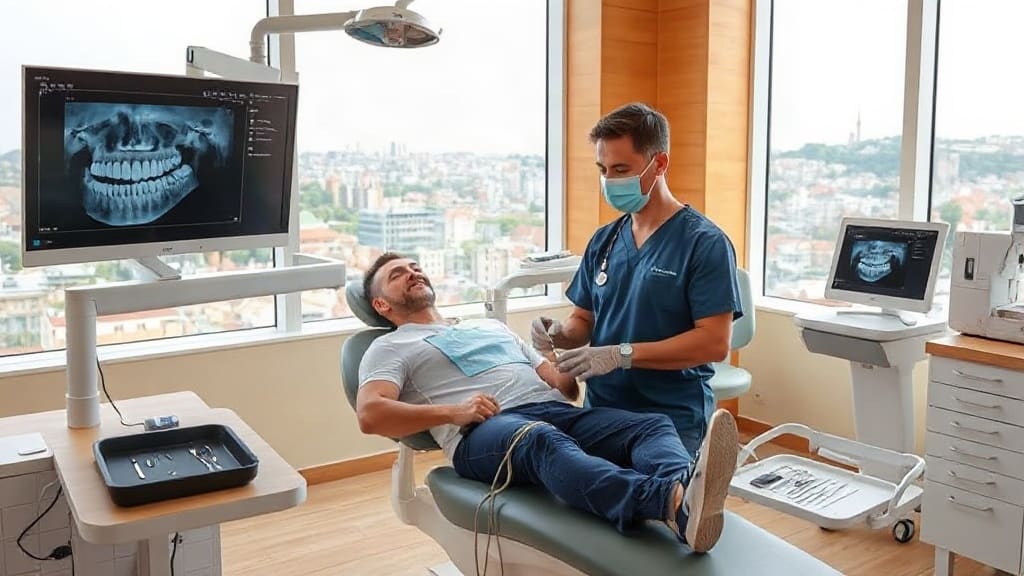
Imagine waking up every morning with a smile you're proud to show off. No more hiding your teeth in photos, no more avoiding your favourite foods, and no more discomfort when you speak. For millions of people around the world, this isn't just a dream; it's the reality after getting dental implants turkey. In recent years, Turkey has become one of the most popular destinations for dental tourism, and it's not hard to see why. The combination of highly skilled dentists, modern clinics, and prices that are often 70% lower than in the UK or US makes it an incredibly attractive option. But is it really worth travelling abroad for your teeth? Let's dive deep into everything you need to know, from costs and procedures to aftercare and potential risks, so you can make an informed decision.
Why Turkey Became a Global Leader in Dental Implants
Turkey's rise in the dental tourism industry didn't happen by accident. Over the past decade, the country has invested heavily in its healthcare infrastructure, particularly in dental care. Cities like Istanbul, Antalya, and Izmir are now home to hundreds of state-of-the-art dental clinics that cater specifically to international patients. Many of these clinics are accredited by international bodies and use the same implant brands you'd find in a high-end London practice, such as Straumann, Nobel Biocare, and Osstem. The dentists themselves often have years of experience and frequently attend international conferences to stay up to date with the latest techniques.
But the real game changer is the cost. In the UK, a single dental implant can set you back anywhere from £2,000 to £3,000, and that's before you add the crown, abutment, and any necessary bone grafting. For a full set of teeth, the price can easily exceed £20,000. In Turkey, you can get a single implant for as little as £400 to £700, including the crown. That's a saving of up to 80%. When you factor in the cost of flights and accommodation, you could still end up paying less than half of what you'd pay at home. This is why so many people are now searching for dental implants turkey cost and booking their treatment abroad.
Understanding the Different Types of Dental Implants
Before you book your flight, it's important to understand what kind of implant treatment you actually need. Not all dental implants are the same, and the right choice for you will depend on how many teeth you're missing, the condition of your jawbone, and your overall oral health.
Single Tooth Implants
If you're missing just one tooth, a single implant is the most common solution. The dentist places a titanium post into your jawbone, which acts as an artificial root. After a healing period of a few months, a custom-made crown is attached to the post. This restores both the appearance and function of the missing tooth without affecting the neighbouring teeth, unlike a traditional bridge.
Multiple Teeth Implants
For patients missing several teeth in a row, an implant-supported bridge may be recommended. Instead of placing an implant for every single tooth, the dentist can place two or more implants and attach a bridge on top. This is a more cost-effective solution and still provides excellent stability and a natural look.
Full Mouth Dental Implants
For those who have lost all or most of their teeth, full mouth dental implants turkey offer a life-changing solution. Instead of individual implants for each tooth, the dentist typically places four to eight implants per jaw, which then support a full arch of prosthetic teeth. This technique, often called "All-on-4" or "All-on-6," provides a fixed, permanent set of teeth that look and feel natural. Patients can eat, speak, and smile with confidence, and the implants help preserve the jawbone and facial structure.
What to Expect During Your Dental Implant Journey in Turkey
One of the biggest concerns people have about getting dental implants abroad is the logistics. How does it all work? Will you need multiple trips? What happens if something goes wrong? Let's break down the typical process step by step.
Step 1: Initial Consultation and Treatment Planning
Most reputable clinics in Turkey offer a free initial consultation, either online or in person. You'll be asked to send photos of your teeth, dental X-rays, and sometimes a 3D CBCT scan (which you can get done at a local imaging centre). Based on this information, the dentist will create a personalised treatment plan, including the number of implants needed, the type of restoration, and a detailed cost breakdown. This is the time to ask all your questions and make sure you feel comfortable with the clinic and the proposed treatment.
Step 2: The First Visit: Surgery and Temporary Teeth
Once you arrive in Turkey, you'll typically have a face-to-face consultation, followed by the implant surgery. The surgery itself is usually performed under local anaesthetic, and most patients report minimal discomfort. Depending on the number of implants, the procedure can take anywhere from one to several hours. In many cases, especially with full mouth treatments, the dentist will place temporary teeth on the same day, so you never have to walk around without teeth. These temporary teeth are functional but not as strong as the final ones, so you'll need to be careful with your diet for the first few months.
Step 3: Healing Period and Osseointegration
After the surgery, the implants need time to fuse with your jawbone, a process called osseointegration. This typically takes three to six months. During this time, you'll return home and go about your normal life, but you'll need to follow a soft diet and maintain excellent oral hygiene. Your clinic should provide you with detailed aftercare instructions and be available for any questions or concerns you might have.
Step 4: Second Visit: Final Restorations
Once the implants have fully integrated, you'll return to Turkey for your final restorations. The dentist will remove the temporary teeth, take impressions, and fit your permanent crowns or bridges. This visit is usually shorter than the first, often lasting just a few days. After a final check and adjustment, you'll leave with your brand new smile.
How Much Do Dental Implants Really Cost in Turkey?
Now let's talk numbers. The dental implants turkey cost can vary widely depending on the clinic, the materials used, and the complexity of your case. However, as a general guide, here are some typical price ranges for 2024:
- Single tooth implant (including crown): £400 – £800
- Implant-supported bridge (3 teeth, 2 implants): £1,200 – £2,500
- Full mouth dental implants (All-on-4 or All-on-6, per jaw): £3,000 – £6,000
- Full mouth dental implants (both jaws): £6,000 – £12,000
These prices are significantly lower than in the UK, but it's crucial to remember that cheaper isn't always better. Be wary of clinics that offer suspiciously low prices, as they may cut corners on materials, sterilisation, or aftercare. Always choose a clinic that is transparent about what's included in the price, such as consultations, X-rays, medications, and temporary teeth. Also, ask about the warranty on the implants and the lab work. A reputable clinic will offer a warranty of at least five to ten years on the implants themselves.
Is It Safe to Get Dental Implants in Turkey?
Safety is a top concern for anyone considering medical treatment abroad. The good news is that many dental clinics in Turkey meet or exceed international standards. Look for clinics that are accredited by organisations like the Joint Commission International (JCI) or the International Organization for Standardization (ISO). These accreditations mean the clinic follows strict protocols for hygiene, sterilisation, and patient safety.
It's also important to check the qualifications and experience of the dentist who will be performing your procedure. Many Turkish dentists have trained in Europe or the US and are members of international dental associations. Don't be afraid to ask for before-and-after photos of previous patients, and read online reviews from other international patients. A trustworthy clinic will be happy to provide references and answer all your questions.
Another safety consideration is the materials used. Ensure the clinic uses genuine, FDA-approved or CE-marked implant systems from reputable manufacturers. Counterfeit implants are rare but do exist, and they can lead to serious complications. A transparent clinic will tell you exactly which brand and model of implant they plan to use and will show you the original packaging if you ask.
Potential Risks and How to Minimise Them
Like any surgical procedure, dental implants carry some risks. These include infection, nerve damage, sinus problems (for upper jaw implants), and implant failure. However, the risk of these complications is low when the procedure is performed by an experienced professional and when the patient follows the aftercare instructions carefully.
One of the biggest risks of getting implants abroad is the lack of continuity of care. If something goes wrong after you return home, your local dentist may be reluctant to treat you, or you may have to pay out of pocket for any repairs. To mitigate this, choose a clinic that offers a comprehensive warranty and has a network of partner dentists in your home country. Also, make sure you understand the clinic's policy on follow-up care and revisions before you commit.
Tips for Choosing the Right Clinic for Your Dental Implants in Turkey
With hundreds of clinics to choose from, how do you narrow down your options? Here are some practical tips to help you find a clinic you can trust:
- Research the clinic's reputation: Look for independent reviews on platforms like Trustpilot, Google Reviews, and dental tourism forums. Pay attention to how the clinic responds to negative feedback.
- Check the dentist's credentials: Ask about their education, years of experience, and specialisation in implantology. A dentist who places hundreds of implants a year is more likely to have the skills needed for a successful outcome.
- Ask about the technology: Modern clinics use 3D imaging, computer-guided surgery, and digital smile design to plan and execute implants with precision. This technology reduces the risk of complications and improves the final result.
- Get a detailed treatment plan: A reputable clinic will provide a written treatment plan that includes all costs, the timeline, and what to expect at each stage. Avoid clinics that give vague answers or pressure you to book immediately.
- Consider the package deals: Many clinics offer all-inclusive packages that cover airport transfers, hotel accommodation, and sometimes even a city tour. While these can be convenient, make sure the package doesn't compromise the quality of care. The most important thing is the skill of the dentist and the quality of the materials.
What About Aftercare and Long-Term Maintenance?
Dental implants are designed to last a lifetime, but they require proper care, just like natural teeth. After your treatment in Turkey, you'll need to maintain excellent oral hygiene, including brushing twice a day, flossing, and using an antibacterial mouthwash. Regular dental check-ups are also essential, ideally every six months. Your local dentist can monitor the health of your implants and surrounding gums and address any issues early on.
One advantage of getting full mouth dental implants turkey is that they are easier to clean than traditional dentures. Because the prosthetic teeth are fixed in place, you don't have to remove them for cleaning, and there are no messy adhesives. However, you will need to use special tools, such as interdental brushes or water flossers, to clean around the implants and under the bridge.
It's also worth noting that smoking can significantly increase the risk of implant failure, so if you're a smoker, your dentist will strongly advise you to quit before and after the surgery. Other factors that can affect the long-term success of your implants include uncontrolled diabetes, gum disease, and certain medications. Be honest with your dentist about your medical history so they can assess your suitability for implants.
Common Misconceptions About Dental Implants in Turkey
There are several myths and misconceptions surrounding dental implants in Turkey that can cause unnecessary worry. Let's clear up a few of the most common ones.
Myth 1: The quality is lower because the price is lower. This is simply not true. The lower cost is due to the lower cost of living and operating expenses in Turkey, not a compromise on quality. Many Turkish clinics use the same materials and equipment as top clinics in the UK and Europe.
Myth 2: The procedure is painful. Most patients report that the implant surgery itself is no more uncomfortable than a routine filling, thanks to local anaesthesia. Any post-operative discomfort can usually be managed with over-the-counter painkillers and subsides within a few days.
Myth 3: You'll have to go without teeth during the healing period. In most cases, you'll receive temporary teeth on the same day as your surgery, so you'll never be without a smile. These temporaries are functional and allow you to eat soft foods while your implants heal.
Myth 4: Dental implants don't last long. With proper care, dental implants can last 20 years or more, and many patients enjoy them for the rest of their lives. The success rate for dental implants is over 95% in healthy patients.
Is Dental Implant Treatment in Turkey Right for You?
Deciding to get dental implants is a big step, and choosing to do it abroad adds another layer of consideration. However, for many people, the benefits far outweigh the challenges. The cost savings alone can be life-changing, but when you combine that with the high quality of care and the opportunity to enjoy a holiday in a beautiful country, it's no wonder that thousands of patients choose Turkey every year.
If you're tired of living with missing teeth or uncomfortable dentures, and you're ready to invest in your smile and your confidence, dental implants turkey could be the perfect solution. Just remember to do your research, choose a reputable clinic, and follow your dentist's advice every step of the way. Your new smile is waiting.
Frequently Asked Questions About Dental Implants in Turkey
How long do I need to stay in Turkey for dental implants?
For the first visit, you'll typically need to stay for 5 to 7 days. This allows time for the initial consultation, the implant surgery, and a follow-up check before you fly home. The second visit for the final restorations usually requires a shorter stay of 3 to 5 days. Some clinics offer same-day implants with immediate loading, but this is only suitable for certain cases.
What is the success rate of dental implants in Turkey?
The success rate of dental implants in Turkey is comparable to that in the UK and other developed countries, typically around 95% or higher. The key factors that influence success are the skill of the dentist, the quality of the implant system, and the patient's overall health and oral hygiene.
Will my UK dentist be able to continue my aftercare?
Yes, in most cases, your UK dentist can provide routine check-ups and maintenance for your implants. However, it's a good idea to inform your local dentist about your plans before you go to Turkey, and ask if they are willing to provide follow-up care. Some dentists may charge a fee for this, but many are happy to help.
What if something goes wrong after I return home?
Reputable clinics in Turkey offer warranties on their implants and dental work, usually ranging from 5 to 10 years. If you experience any issues, contact your clinic immediately. They may arrange for you to return for a revision or, in some cases, cover the cost of treatment by a partner dentist in your home country. Always read the warranty terms carefully before booking.
Are there any hidden costs I should be aware of?
To avoid hidden costs, ask for a detailed treatment plan that includes all fees, such as consultations, X-rays, anaesthesia, medications, and temporary teeth. Clarify whether the quoted price includes the final crown or bridge, and ask about any additional costs for bone grafting or sinus lifts if needed. A transparent clinic will provide a clear breakdown and won't surprise you with extra charges later.