
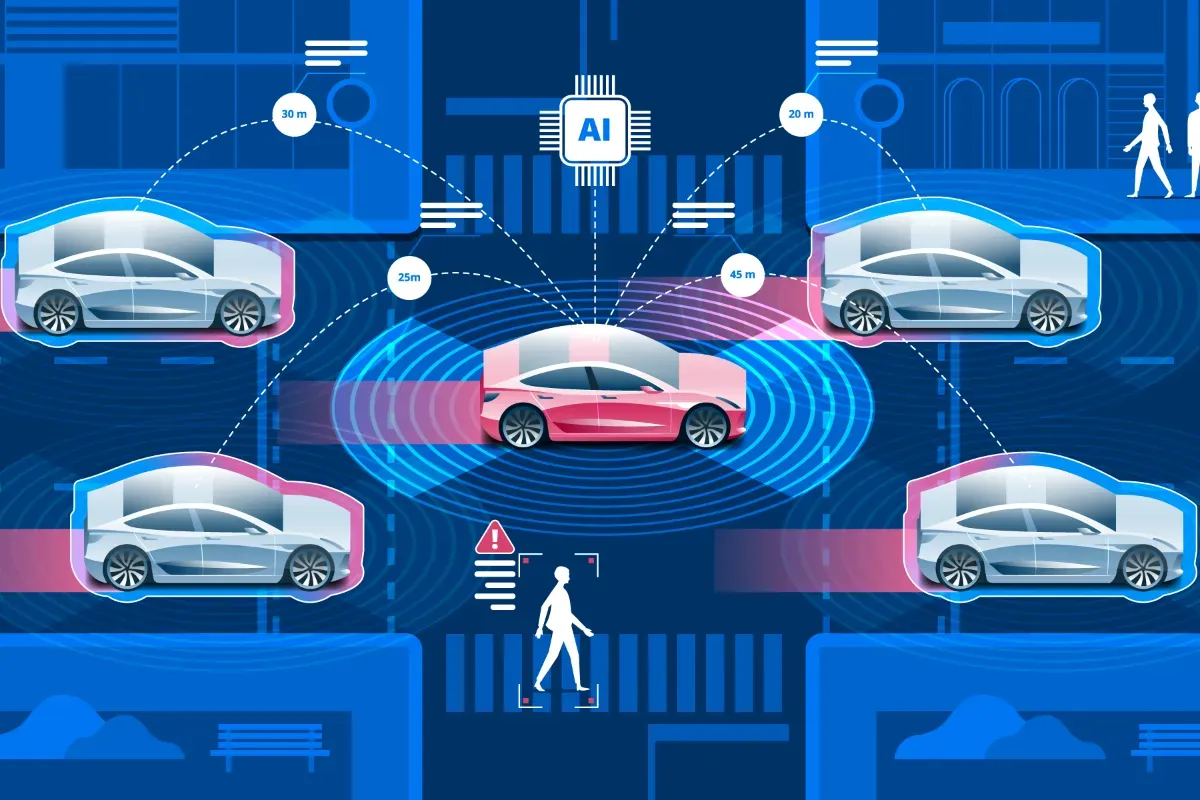
Autonomous automobiles are reshaping how we think about mobility, safety, and daily travel, signaling a shift toward more reliable, data-driven driving. As sensors, artificial intelligence, and real-time data fusion mature, self-driving cars move from labs to streets, powered by advanced autonomous vehicle technology. For drivers, this evolution promises convenience and new safety features, but it also requires new knowledge, responsibilities, and an understanding of how driverless cars operate. The promise of safer roads and more efficient commutes sits alongside questions about costs, insurance, and the impact on drivers as the future of transportation unfolds. Ultimately, these developments invite individuals to stay informed and prepared to adapt as the era of autonomous automobiles progresses.
Beyond traditional vehicles, automated driving systems blend sensors, AI, and connected infrastructure to enable hands-free operation under certain conditions. This shift toward robo-taxis and intelligent mobility models reflects the broader evolution of mobility technology. As the ecosystem grows, discussions focus on safety standards, data privacy, and the changing roles of passengers and operators. Urban planners and policymakers are exploring how these capabilities align with future mobility strategies and infrastructure upgrades.
Autonomous Automobiles: A New Era for the Future of Transportation
Autonomous automobiles are reshaping how we think about travel by moving beyond traditional driving to systems that can navigate roads with minimal human input. Commonly called self-driving cars or driverless cars, these autonomous automobiles signal a tangible shift in the future of transportation, offering new possibilities for safety, mobility, and everyday errands.
At the heart of autonomous vehicle technology are perception, localization, planning, and control. Vehicles rely on radar, LiDAR, and cameras to sense the world, use high-definition maps to know exactly where they are, and run planning algorithms to chart safe paths and speeds. Machine learning and AI help these systems predict others’ behavior, respond to changing conditions, and coordinate with infrastructure through V2X communication, creating a level of consistency that can reduce human error.
As deployment expands, cities and businesses are reevaluating parking, curb use, and transit integration, underscoring how autonomous fleets could alter urban life and the daily routines of drivers.
Understanding the Impact on Drivers: Adapting to Self-Driving Cars
The rise of self-driving cars will bring meaningful changes for drivers, including how we supervise automation, where responsibility lies in a crash, and what skills are useful in a mixed-traffic environment. The impact on drivers includes evolving roles, from active steering to monitoring systems and managing handovers when automation reaches its limits, all within the broader conversation about autonomous vehicle technology and the future of transportation.
Practical implications touch everyday insurance, liability, and road safety. While these vehicles can improve safety by reducing distraction and fatigue, the reality is that driverless cars will coexist with human drivers for years, requiring clear rules and transparent testing to assure public trust and data privacy.
To prepare, drivers should stay informed about capabilities and limits, read manuals, and practice attentive supervision. Understanding how the system handles tricky situations—construction zones, adverse weather, and unfamiliar roads—helps drivers know when to take over and how to adjust routines as the ecosystem evolves.
Frequently Asked Questions
How do autonomous automobiles work, and how do self-driving cars differ from driverless cars?
Autonomous automobiles rely on autonomous vehicle technology that fuses perception, localization, planning, and control. Sensors such as radar, LiDAR, and cameras feed data to AI software and high-definition maps to detect obstacles, determine the vehicle’s precise position, plan safe paths, and execute steering, braking, and acceleration. In practice, 'self-driving cars' and 'driverless cars' are often used interchangeably, though some descriptions reference different autonomy levels (for example, Level 2–5). Today’s systems can handle many driving tasks in specific conditions, but still require human supervision and readiness to take over. As the technology matures, capabilities expand toward more autonomous operation with continued emphasis on safety, cybersecurity, and reliability.
What is the impact on drivers as autonomous automobile technology evolves and the future of transportation takes shape?
As autonomous automobile technology advances, drivers typically shift from active control to supervision of automated systems. This affects liability and insurance models, required training, and how crashes are attributed, while offering benefits such as reduced fatigue, improved safety, and new mobility options. Challenges include adapting driving skills, understanding system limits, and coordinating with shared autonomous services. The future of transportation is likely a blended landscape where autonomous vehicles complement human drivers, so staying informed about capabilities, maintaining situational awareness, and knowing what to do when the system disengages remain important.
| Aspect | Key Points |
|---|---|
| What are autonomous automobiles and why now? |
|
| How autonomous vehicles work: the technology behind the rise |
|
| Benefits for drivers and society |
|
| What this means for drivers today |
|
| Safety, ethics, and regulation: navigating a new frontier |
|
| The impact on the road and the driver’s experience |
|
| Preparing for the autonomous era: tips for drivers |
|
| Economic and workforce considerations |
|
| Myths versus reality |
|
| The road ahead: a collaborative evolution |
|