
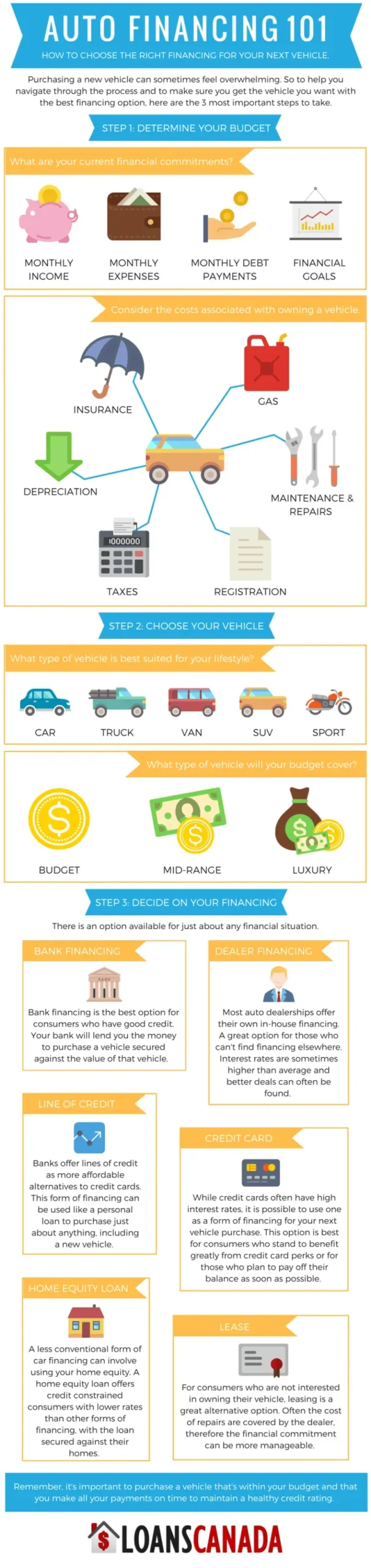
Automobile financing sits at the crossroads of big financial decisions and everyday consumer life. From buying a new car to choosing a lease, the options you select shape your monthly budget, long-term costs, and financial health. This guide explains the core paths—auto loans and leases—and shows how the credit score impact on auto loans can steer terms, rates, and approvals. When you weigh auto financing options, consider how car loan vs lease dynamics, auto loan rates, and vehicle lease vs purchase trade-offs align with your plans. With practical steps and real-world examples, you’ll walk away ready to negotiate terms that fit your goals.
Viewed through a broader lens, vehicle financing can be described as securing funds to drive off with a new or used car, whether through a loan, a lease, or a hybrid approach. Think of it as car finance, auto funding, or loan-to-own planning that shapes monthly commitments, ownership timelines, and depreciation outcomes. LSI-friendly terms like pre-approval, interest costs, down payment, and payoff schedule become natural anchors as you compare options. In practice, your choice turns on how you value ownership versus flexibility, maintenance risk, and staying within a budget while still enjoying reliable transportation.
Automobile financing: A practical guide to auto financing options, loans, and leases
Automobile financing sits at the intersection of daily budgeting and long-term financial planning. Understanding auto financing options helps you compare the core paths—loans and leases—and decide which structure best fits your goals. The car loan vs lease decision can hinge on ownership preferences, maintenance expectations, and how long you want to drive the same vehicle. By weighing down payments, monthly costs, and total interest, you can map out a financing plan that aligns with your cash flow and future plans.
A solid approach involves assessing your driving habits, mileage needs, and the vehicle’s expected value over time. Loans favor ownership and equity accumulation, while leases offer lower monthly payments and the flexibility to upgrade. When you consider vehicle lease vs purchase, it’s essential to factor in depreciation, end-of-lease charges, mileage restrictions, and potential maintenance costs. By evaluating these elements alongside auto financing options, you’ll be prepared to choose between owning the car outright or enjoying the benefits of a new model every few years.
Credit score impact on auto loans and how it shapes auto financing options and rates
Your credit score is a powerful lens through which lenders view your auto financing options. The credit score impact on auto loans determines the interest rate, loan terms, and even whether you’re approved at all. A stronger score generally translates into more favorable auto loan rates and a wider range of financing choices, while a lower score may require larger down payments or accepting higher rates. Understanding this relationship helps you plan ahead and negotiate smarter when shopping for financing.
To improve terms, focus on timely payments, reducing revolving debt, and checking your credit reports for errors. Pre-approval from multiple lenders can reveal the best auto loan rates available to you and strengthen your negotiating position. As you explore auto financing options, remember that the same credit profile can yield different terms across lenders, so comparing offers is essential. If you’re trying to decide between vehicle lease vs purchase, your credit score will influence upfront costs, monthly payments, and the overall cost of ownership.
Frequently Asked Questions
What is Automobile financing, and what are your main auto financing options?
Automobile financing refers to paying for a vehicle over time. The main auto financing options are auto loans and leases. With an auto loan, you own the car after the loan is paid; with a lease, you drive a car for a set term with typically lower monthly payments and no ownership at the end. You can finance new or used cars, and promotions or special programs may apply. When choosing, consider how long you’ll keep the car, typical annual mileage, and how your credit score may affect the terms.
How does your credit score impact auto loans and influence the vehicle lease vs purchase decision?
Your credit score affects auto loan rates, down payments, and loan approval odds—an higher score usually yields lower auto loan rates and better terms, while a lower score can lead to higher rates or restricted options. This matters when deciding between car loan vs lease and also when evaluating vehicle lease vs purchase: if rates are high, a lease may offer lower monthly payments, but ownership comes with longer-term costs. Always compare auto loan rates across lenders, consider pre-approval, and focus on total cost, not just the monthly payment.
| Topic | Key Points |
|---|---|
| Overview / What is Automobile Financing | Automobile financing lets you pay for a vehicle over time via loans (ownership after payoff) or leases (use for a set term, with lower monthly payments but no ownership at end). It affects your monthly budget, long-term costs, and financial health; consider driving habits, how long you want to keep the car, maintenance, mileage limits, and end-of-lease charges. |
| Loans vs Leases | Loans provide ownership after payments; higher long-term costs but build equity. Leases offer lower monthly payments and no ownership, but come with mileage limits and potential end-of-lease charges. Choose based on how long you want to keep the car and your preference for ownership vs. predictable costs. |
| Credit Score Impact | Credit score strongly influences auto financing terms: higher scores usually yield better interest rates, down payment requirements, and approval odds. Key factors include payment history, current debt, length of credit history, new inquiries, and credit mix. |
| Auto Loan Rates | Rates depend on credit score, income, debt-to-income ratio, loan amount, loan term, and down payment. Shorter terms cost more monthly but less total interest; longer terms lower monthly payments but increase total interest. Shop around across lenders. |
| Financing Options by Buyer | New-car financing (potentially lower promo rates but higher down payments/options), used-car financing (may vary by age/condition), and options for buyers with limited or lower credit history (subprime programs). Understand terms and mitigate score impact with timely payments and responsible credit use. |
| Budgeting & Total Cost | Down payments reduce the amount financed and can lower interest costs. Include taxes, registration, insurance, maintenance, and depreciation. Leases involve depreciation and financing costs plus potential end-of-lease charges; compare total costs for cash flow planning. |
| Lease vs Purchase | Leases offer lower monthly payments and a newer car every few years but come with mileage limits and end-of-lease fees. Purchases provide ownership and no mileage penalties but may have higher monthly payments and total interest. A hybrid approach is possible. |
| Credit Score Improvement | Improve terms by paying bills on time, reducing revolving debt, avoiding new accounts before financing, checking reports for errors, and potentially choosing smaller loan amounts or larger down payments to boost lender confidence. |
| Pre-Approval & Shopping | Obtain pre-approval to lock in rates and compare offers. Negotiate based on total cost (not just monthly payments) and gather quotes from multiple lenders to secure favorable auto loan rates. |
| Roadmap to Responsible Financing | Define goal (ownership vs flexibility), check and improve credit, gather multiple quotes, consider down payment, read contracts carefully, and focus on total cost and long-term flexibility. |
| Notes | This table summarizes the core points from the base content on Automobile financing, including the distinctions between loans and leases, the role of credit scores, budgeting, and shopping tips. |
Summary
Conclusion