
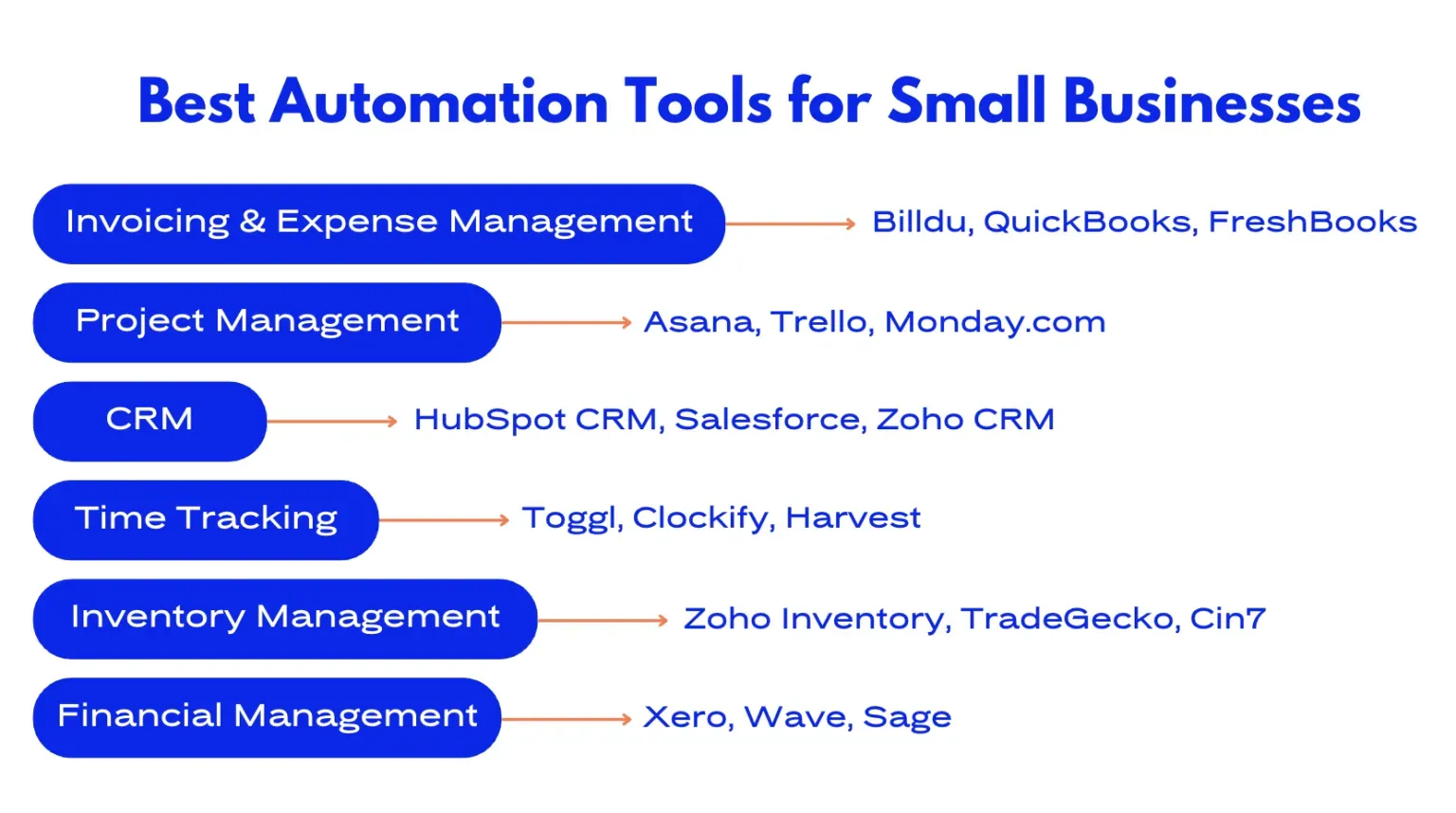
Automation for Small Business has moved from a niche perk to a strategic necessity. In today's fast-paced market, small teams juggle customer service, product development, marketing, finance, and operations—often with limited headcount. The right automation strategy can reclaim hours each week, reduce human error, and create a scalable foundation for growth. This article explains what automation means in practical terms, why it matters for both time management and profitability, and how any small business can start leveraging automation tools to run more smoothly without losing the personal touch that customers expect. From small business automation to workflow automation, invoicing automation, time management for small business, and CRM automation, these approaches help teams scale while keeping the personal touch.
Viewed through the lens of business process automation, organizations can liberate teams from repetitive chores by orchestrating repeatable workflows. Digital workflow optimization, operational automation, and automated task routing are core ideas that support faster cycles and more reliable data. Practical areas include automating invoicing and billing, CRM-driven follow-ups, and calendar coordination to improve time management for small business without sacrificing personal service. By focusing on scalable processes, user-friendly tools, and cross-team collaboration, companies can boost efficiency while maintaining a human touch.
Automation for Small Business: Time Management and Profitability in Practice
Automation for Small Business is not about replacing people; it’s about enabling staff to focus on higher-value work. For small teams juggling customer service, product development, marketing, finance, and operations, automation has become a strategic enabler—part of a broader small business automation and workflow automation approach that can reclaim hours each week and reduce human error.
By starting with a clear pilot, you can see tangible ROI: faster delivery, better data quality, and a calmer, more predictable workflow. Focus on time management for small business by automating routine tasks such as order routing, invoice creation, and status updates, then extend to CRM automation and invoicing automation as you gain confidence.
From Workflow Automation to CRM Automation: A Practical Playbook for Small Teams
From a practical perspective, this playbook combines workflow automation, invoicing automation, and CRM automation into a cohesive stack. Start by detailing end-to-end processes such as order intake, invoicing, and customer follow-ups, then select tools that can orchestrate these steps with minimal manual intervention while preserving the personal touch.
Implement with a clear 30-60-90 day plan, track time savings and cash flow improvements, and measure adoption. Use time management for small business as a constant lens, ensuring scheduling, reminders, and data entry automation free staff for higher-value work.
Frequently Asked Questions
What is Automation for Small Business and how can it improve time management for small business?
Automation for Small Business means using software and integrated workflows to handle repetitive, rules-based tasks. For time management for small business, it reclaims hours by automating routine activities such as data entry, scheduling, and status updates, while reducing errors and improving consistency. To get started, map a few repeatable processes, run a focused pilot with a single automation tool, measure time saved and impact on productivity, and gradually expand without sacrificing the personal touch customers expect.
What are the core benefits of workflow automation for small business, and how do invoicing automation and CRM automation fit into Automation for Small Business?
Workflow automation for small business coordinates multi-step processes across departments to speed delivery and improve consistency. When you include invoicing automation and CRM automation, you further reduce billing cycles, cut manual data entry, and enhance customer engagement. Start by selecting a key process to automate, ensure the tool integrates with your accounting and CRM systems, and track metrics such as time saved, error-rate reductions, and cash flow improvements before scaling to additional areas.
| Section | Key Points | Notes / Impact |
|---|---|---|
| Introduction | Automation for Small Business has moved from a niche perk to a strategic necessity; aims to reclaim hours weekly; supports growth while preserving personal touch. | Time management, profitability, scalability. |
| What Automation Means | Not about replacing people; enables focus on higher-value tasks; uses software and workflows; reduces mundane tasks and improves data accuracy. | Predictable operations; faster delivery; happier customers; higher revenue. |
| Key Areas to Automate | Workflow Automation; Invoicing Automation; CRM Automation; Time Management & Scheduling | Core domains with strongest returns for small teams. |
| Benefits | Time savings; Improved accuracy; Cost reduction; Faster turnaround; Better data and insights | Releases capacity, reduces errors, enables smarter decisions. |
| Choosing the Right Tools | Integration with existing tech stack; Usability; Security & Compliance; Vendor support & community | Adoption and ROI depend on fit and support. |
| Implementation Isn’t Just a Tech Decision | Process discovery; Clear goals and pilots; Data governance; Training; Review and refine | Organizational initiative, not just tech. |
| ROI & Metrics That Matter | Time-to-completion; Error rates; Cash flow metrics; Customer satisfaction; Employee engagement | Quantifies automation impact. |
| Real-World Scenarios | E-commerce: route orders, CRM updates, invoicing; Boutique consulting: intake, tasks, timesheets | Demonstrates practical leverage. |
| Common Myths | Expensive; Complicated; Replaces humans; Data privacy concerns | Addressed with pilots, user-friendly tools, secure vendors. |
| Getting Started | 30 days: map workflows; 60 days: expand; 90 days: optimize and rollout | Structured, phased approach. |
| The Human Side | Empower people; involve teams; highlight benefits; reduce busywork | Higher adoption and culture. |
Summary
Automation for Small Business Table: A concise overview of the main ideas from the base content, highlighting the why, what, and how of automation for small teams.