
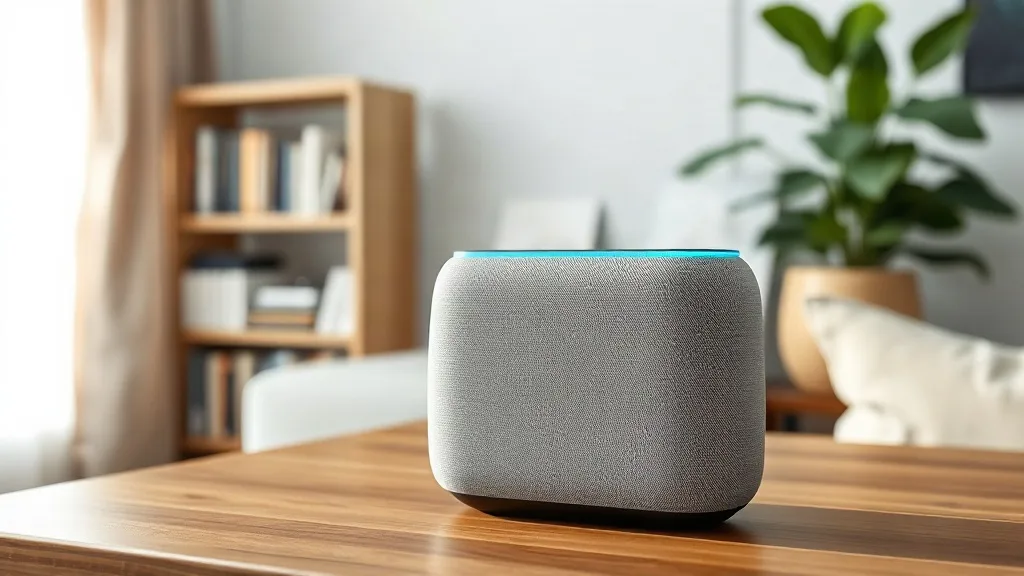
When Panos Panay left Microsoft for Amazon in 2023, the tech world buzzed with speculation. Panay, the man behind the Surface line and Windows 11, was joining Amazon to lead its Devices and Services division. Now, he's finally giving us a glimpse of what's coming: more Alexa-branded devices and a new design language. In a recent statement, Panay hinted that Amazon is preparing to unveil a range of products that will unify its hardware under a fresh aesthetic. The full reveal is expected later this month, but the teaser alone has ignited conversations about Amazon's ambitions in the smart home and beyond.
This isn't just about slapping a new coat of paint on the Echo. It's a signal that Amazon is rethinking how its devices look, feel, and work together. With Panay at the helm, known for his obsession with design and user experience, the company seems poised to shift from a scattershot approach to a more cohesive ecosystem. In this article, we'll explore what we know so far, why it matters, and what it could mean for you.
Who is Panos Panay and Why His Vision Matters
Panos Panay spent nearly two decades at Microsoft, where he became the face of the Surface brand. His keynote presentations were legendary for their energy and emotional storytelling. He championed hardware that was not only functional but also beautiful, with premium materials and thoughtful details. Under his leadership, Surface grew from a single tablet into a full lineup of laptops, desktops, and accessories.
At Amazon, Panay oversees Echo, Fire TV, Kindle, eero, and more. His mandate is to inject new life into these product lines, which have sometimes been criticized for utilitarian designs. The Echo Dot, for instance, is a puck; the Echo Show is a screen on a stand. They work well, but they don't exactly scream "premium." Panay's arrival suggests Amazon wants to change that perception.
In a recent interview, Panay said, "We're going to have more Alexa-branded devices, and we're going to have a new design language." He didn't elaborate on specifics, but the implication is clear: Amazon is preparing a family of products that share a common visual and interaction identity. This could mean consistent materials, colors, and shapes across devices, making them feel like part of a whole rather than isolated gadgets.
What a New Design Language Could Look Like
Design languages in tech are more than aesthetics; they shape how users perceive and interact with products. Apple's minimalist white and aluminum, Google's playful fabrics, and Samsung's sleek curves all serve as examples. For Amazon, a new design language could address several pain points.
First, consistency. Currently, Amazon's devices vary widely in look and feel. The Echo (4th gen) has a spherical fabric design, while the Echo Show 10 has a rotating screen and a completely different profile. A unified language could make them feel like siblings. This might involve a signature material, such as recycled fabric or sustainable wood, or a distinctive shape that echoes across the lineup.
Second, warmth. Amazon wants its devices to be approachable, not intimidating. A design language that uses soft curves, tactile surfaces, and ambient lighting could make them feel more like home fixtures than tech gadgets. Panay has a track record of humanizing technology, as seen with the Surface line's kickstands and Alcantara keyboards.
Third, integration with Alexa. As the voice assistant becomes more capable, the devices that house it should reflect its personality. A design language could include subtle cues, like a glowing ring or a specific color palette, that signal Alexa's presence and responsiveness.
While we don't have official images, industry watchers speculate that Amazon might adopt a minimalist, Scandinavian-inspired aesthetic, with muted tones and natural materials. Or it could go bold with vibrant colors and playful forms, targeting younger users. Either way, the goal is likely to create a recognizable Amazon look that stands out on store shelves and in living rooms.
More Alexa-Branded Devices: What Could They Be?
Panay's mention of "more Alexa-branded devices" is intriguing. Currently, Amazon sells Echo smart speakers and displays, but Alexa also lives in third-party devices like thermostats, lights, and TVs. Panay's comment suggests Amazon will expand its own branded hardware, possibly into new categories.
One possibility is a wearable. Rumors of an Alexa-powered smart watch or fitness band have circulated for years. With Panay's expertise in wearables (he oversaw Surface Duo and Surface Earbuds), Amazon could finally enter the space. A wearable would extend Alexa's reach beyond the home, providing constant access to the assistant.
Another area is home security. Amazon already owns Ring and Blink, but a unified Alexa-branded security camera or doorbell could fit the new design language and offer tighter integration with Echo devices. Imagine a camera that shares the same fabric and finish as your Echo, creating a seamless look.
Amazon might also refresh its existing lineup. The Echo Dot, Echo Show, and Echo Buds could all get a makeover to align with the new design language. The timing would make sense: the current Echo Dot (5th gen) launched in 2022, and the Echo Show 8 (3rd gen) in 2023. A 2025 refresh would keep the products competitive.
Additionally, Amazon could introduce entirely new form factors. A wall-mounted control panel for the smart home? A portable Alexa speaker with a built-in projector? Panay's creative track record at Microsoft suggests he's not afraid to experiment. However, Amazon will likely focus on products that drive Alexa adoption and retail sales.
Why This Matters for the Smart Home
Amazon's smart home strategy has always been about ubiquity. Alexa is in millions of homes, and Amazon wants it in millions more. But as competition heats up from Google, Apple, and Samsung, Amazon needs to differentiate. A cohesive design language and more branded devices could strengthen its ecosystem lock-in.
When devices share a design language, they also tend to share software features and interoperability. For example, Apple's ecosystem is renowned for its seamless integration, partly because its devices are designed to work together. If Amazon follows suit, users might find it easier to set up multi-room audio, create routines across devices, and manage their smart home from a single app.
Moreover, design sells. In a crowded market, aesthetics can be a deciding factor. A beautifully designed Echo might convince someone to choose it over a Google Nest Audio. Panay understands this; his Surface devices often won design awards and commanded premium prices. If he can bring that magic to Amazon, the company could attract design-conscious consumers who previously overlooked its hardware.
There's also the matter of brand perception. Amazon is often seen as a value player, not a premium one. A new design language could help change that, allowing Amazon to charge more for its devices and compete with Apple and Google on cachet. That's a delicate balance, though; Amazon's core customers expect affordability. Panay will need to ensure that the new designs don't alienate budget-conscious buyers.
What to Expect Later This Month
Panay said more will be revealed later this month. That could mean a dedicated hardware event, a blog post, or a series of announcements. Given Amazon's history, a virtual event is likely. The company typically holds product launches in the fall, but this teaser suggests something sooner.
We can expect to see at least one new Echo device, possibly a refreshed Echo Dot or Echo Show. There might also be a new category, such as a wearable or a security camera. The design language will be a key part of the presentation, with Panay likely taking the stage to explain the philosophy behind it.
Pricing and availability will be crucial. If Amazon positions the new devices as premium, they might cost more than previous generations. But Amazon often subsidizes hardware to drive Alexa usage, so there could be aggressive pricing. We'll have to wait and see.
In the meantime, the teaser has done its job: it's got people talking. Panay's reputation precedes him, and his involvement suggests Amazon is serious about design. If he can deliver on the promise of a cohesive, beautiful lineup of Alexa devices, it could be a turning point for Amazon's hardware business.
Frequently Asked Questions
What did Panos Panay say about new Alexa devices?
Panay teased that Amazon will release more Alexa-branded devices and introduce a new design language. He didn't provide specifics but said more details will be revealed later this month.
When will Amazon announce the new devices?
According to Panay, the reveal is expected later this month. Amazon has not confirmed an exact date or event.
What is a design language in tech?
A design language is a set of visual and interaction guidelines that give a company's products a consistent look and feel. It includes materials, colors, shapes, and user interface elements.
Will the new devices be more expensive?
It's too early to tell. Amazon typically prices its devices competitively, but a premium design could justify higher prices. We'll know more after the announcement.
How will this affect existing Echo owners?
Existing devices will likely continue to work and receive software updates. The new design language may not be backward compatible, but Amazon usually supports older devices for several years.